
Content:
3D Imaging and Cone Beam Computed Tomography (CBCT)
Digital Workflow and Documentation
Root canal therapy (RCT) is a critical dental procedure aimed at saving teeth that have become infected or compromised. Over the years, advancements in technology have introduced modern devices and techniques that significantly enhance the efficiency and efficacy of root canal treatment. This article explores the key features of contemporary root canal therapy devices and how they improve treatment outcomes for both dentists and patients.

Precision in Working Length Determination
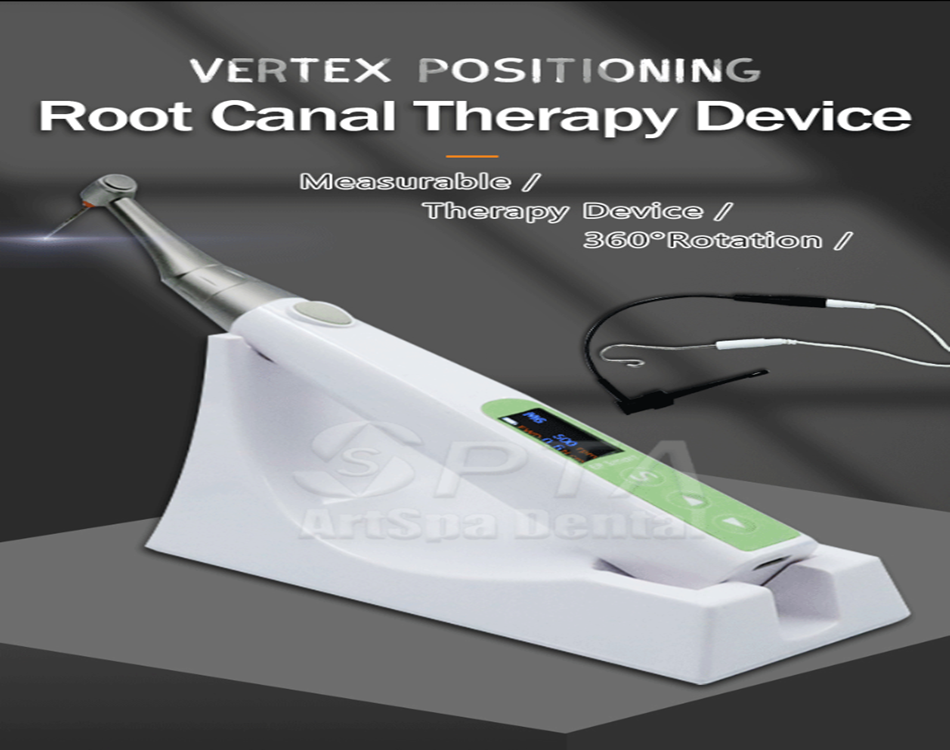
Modern root canal devices often include electronic apex locators, which provide highly accurate measurements of the working length of the root canal. Unlike traditional radiographic methods, which can be subject to reader error and misinterpretation, apex locators use electronic impedance measurements to offer precise real-time feedback about the file's position within the canal.
Reduced Risk of Errors
By minimizing reliance on radiographs and providing continuous monitoring, electronic apex locators help prevent common mistakes such as over-instrumentation and under-instrumentation, which can compromise the success of the treatment. This precision ultimately leads to better patient outcomes.
2. Rotary Endodontic Instruments
Efficient Shaping of Root Canals
Rotary endodontic instruments represent a major advancement over traditional hand instruments in root canal therapy. These motorized files rotate at a high speed to effectively shape the canal while significantly reducing treatment time.
Improved Material and Design
Modern rotary instruments are often made from advanced nickel-titanium (NiTi) alloys, allowing for greater flexibility and resistance to breakage. This flexibility enables dentists to navigate curved canals more easily, ensuring a thorough cleaning and shaping process.
Enhanced Cleaning and Debridement
Ultrasonic devices are an innovative addition to modern root canal systems. They utilize high-frequency vibrations to enhance the cleaning of the root canal system, particularly in areas that are difficult to reach manually.
Cavitation Effect
The phenomenon of cavitation, generated by ultrasonic waves, helps detach debris, biofilm, and even bacteria from the canal walls, leading to more effective disinfection. The use of ultrasonics can increase the overall success rate of the treatment and reduce the risk of post-operative complications.
4. 3D Imaging and Cone Beam Computed Tomography (CBCT)
Precise Diagnosis and Treatment Planning
With the rise of digital imaging technologies, root canal therapy has become more precise and predictable. Cone Beam Computed Tomography (CBCT) provides 3D images of the teeth and surrounding structures, enabling dentists to visualize root canal anatomy in detail.
Enhanced Treatment Outcomes
CBCT imaging allows for better diagnosis of complex cases, such as those involving multiple canals or unusual canal morphology, facilitating tailored treatment plans that optimize outcomes.
5. Automated Obturation Systems
Consistent and Efficient Filling
Automated obturation systems enhance the filling process of root canals by precisely delivering gutta-percha or other sealing materials into the canal space. These devices ensure that the material is applied evenly and completely, minimizing the risk of voids that can lead to infection.
Time-Saving Benefits
By automating the obturation process, these systems significantly reduce the time required for this step of the procedure, allowing dentists to focus on other aspects of treatment and ultimately improving workflow efficiency.
Enhanced Healing and Patient Comfort
Modern root canal therapy utilizes biocompatible materials that promote healing and reduce post-operative discomfort. These materials are designed to support the body’s natural healing processes and minimize the risk of adverse reactions.
Improved Treatment Longevity
The use of high-quality biocompatible materials contributes to the long-term success of root canal treatments by creating a stable and effective seal within the canal, reducing the likelihood of reinfection.
7. Digital Workflow and Documentation
Streamlining Procedures
Many modern root canal devices come with integrated digital systems that streamline documentation and treatment planning. By automating data collection and creating digital records, dentists can work more efficiently and effectively manage patient information.
Improved Communication
Digital records facilitate better communication between dental teams, helping to ensure that all members are aligned regarding treatment plans and patient care.
The advancements in modern root canal therapy devices have revolutionized the field of endodontics, enhancing treatment efficiency and patient outcomes. Key features such as electronic apex locators, rotary endodontic instruments, ultrasonic devices, and 3D imaging have fundamentally changed how root canals are performed. By incorporating these innovative tools into daily practice, dental professionals can improve precision, reduce treatment times, and provide a higher standard of care for their patients. As technology continues to evolve, the future of root canal therapy appears more promising than ever, paving the way for safer, faster, and more effective treatments.
 In What Ways Can the Multi-functional Mobile Dental Surgical System Enhance the Efficiency of Dental Surgeries?
 How Does the New Type Touch Screen Electric Micromotor Compare to Traditional Micromotors in Terms of Efficiency and Usability?
 In What Ways Does the Touch Screen Interface Enhance User Experience with the New Type Electric Micromotor?
 What Are the Key Features of the Multi-functional Mobile Dental Surgical System That Make It Stand Out from Traditional Dental Equipment?


