Understanding the Functionality of Flowable Composite
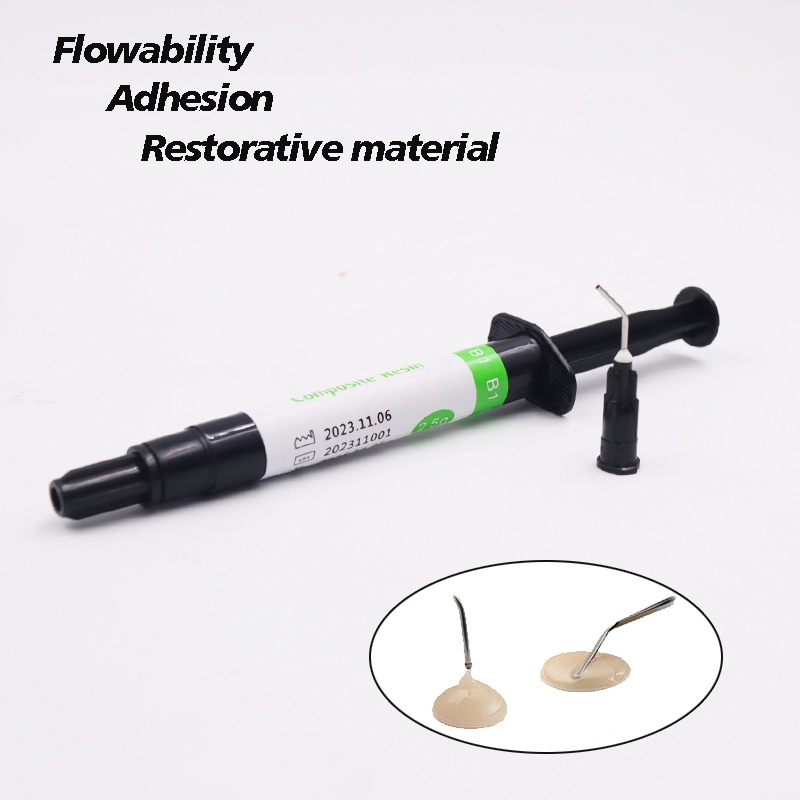
Flowable composites are light-curable resin-based materials designed to provide excellent adaptability to tooth structures. Unlike traditional composites, flowable composites have lower viscosity, allowing them to spread easily and fill small spaces and cavities effectively. This property makes flowable composites ideal for a variety of applications, from restorative dentistry to bonding procedures.
The primary function of flowable composite is to create strong, aesthetic restorations. They bond well with tooth structure, allowing for seamless repairs that blend with the natural teeth. The low-viscosity nature of these composites makes them particularly effective for conservative cavity preparations, where maintaining healthy tooth structure is a priority.
One of the key advantages of using flowable composites is their ability to adapt to the intricacies of dental anatomy. They can flow into small margins and pits, ensuring thorough coverage and reducing the risk of microleakage. This superior adaptability is essential for achieving long-lasting restorations in both anterior and posterior teeth.
Key Features of Flowable Composite Materials
Flowable composites come equipped with several features that enhance their usability and clinical effectiveness. One notable characteristic is shade matching. Many flowable composites are available in a variety of shades, allowing dental practitioners to closely match the composite to the surrounding tooth structure. This feature is vital for achieving natural-looking restorations and enhancing aesthetic outcomes.
Another key feature is excellent bonding properties. Flowable composites are designed to bond effectively to both enamel and dentin, creating a durable seal that helps prevent moisture ingress and reduces the risk of secondary caries. The strong bond provided by these materials ensures that restorations remain intact and functional over time.
Additionally, many flowable composites incorporate nanotechnology to improve their mechanical properties. These advanced materials exhibit enhanced strength, wear resistance, and polishability, making them suitable for a wide range of clinical applications. The strength of contemporary flowable composites allows them to withstand the forces encountered in the oral environment, ensuring their longevity and durability.
Benefits for Dental Practitioners
Investing in high-quality flowable composite materials offers numerous benefits for dental practitioners. One of the most significant advantages is the efficiency they provide. With easy handling characteristics and rapid curing times, dental professionals can complete procedures more quickly, minimizing chair time for patients and increasing overall practice productivity.
Moreover, flowable composites provide excellent clinical outcomes. Their ability to adapt to tooth surfaces and bond effectively ensures that restorations not only look great but also function optimally. Dental practitioners can rely on flowable composites to achieve seamless repairs that stand the test of time, enhancing both patient trust and satisfaction.
Furthermore, using flowable composite materials can help reduce the need for additional appointments. Because of their excellent adaptability and bonding capabilities, practitioners can often achieve successful results in a single visit, which is a significant advantage for both the dental team and the patient.
Enhancing Patient Comfort and Care
In today's dental practice, patient comfort is of paramount importance. Flowable composites contribute significantly to creating a positive patient experience. The ability to use these materials to fill small cavities with minimal tooth preparation means patients often experience less discomfort during procedures.
Additionally, the natural appearance of flowable composites enhances patient satisfaction. Patients appreciate restorations that blend seamlessly with their existing teeth, contributing to greater confidence in their smiles. Dentists can rest assured that the aesthetic results will meet their patients' expectations, fostering long-term relationships and trust.
The quick curing times associated with many flowable composites also contribute to a more efficient workflow. Patients can often leave the office sooner, resulting in a more pleasant overall experience. This efficiency, combined with the ability to address multiple issues in one appointment, can make dental visits less stressful and more manageable for patients.
Versatility in Dental Applications
One of the most compelling aspects of flowable composite materials is their versatility. They can be utilized in a variety of dental applications, including:
Cavity fillings: Flowable composites are ideal for minimally invasive techniques, allowing dentists to conserve as much healthy tooth structure as possible while effectively restoring function.
Liners and bases: Flowable composites can be used as liners under other restorative materials, providing additional protection for pulp and dentin.
Bonding agents: They are suitable for bonding orthodontic brackets and other attachments due to their strong adhesive properties.
Repairing chipped teeth: Flowable composites can restore teeth that have experienced minor damage, enhancing both aesthetics and function.
The adaptability of flowable composites makes them invaluable in restorative dentistry. Dentists can confidently use these materials for various procedures, simplifying workflow and enhancing practice efficiency.
Quality Assurance in Flowable Composite Materials
Quality assurance is vital when it comes to dental materials, especially flowable composites. Dental practices should prioritize using products from reputable manufacturers, ensuring that the materials adhere to industry standards for safety and efficacy. High-quality flowable composites undergo rigorous testing to ensure that they meet the requirements for performance, longevity, and aesthetic excellence.
Additionally, dental professionals should remain informed about the latest advancements in flowable composite technology. Staying updated can enhance their ability to select materials that will provide optimal results, ultimately benefiting their patients and their practice.
Regular training and continued education on the use of flowable composites can also improve outcomes. Workshops and seminars can provide insights into new applications, techniques, and materials, empowering practitioners to utilize flowable composites effectively.
Choosing the Right Flowable Composite
Selecting the right flowable composite involves considering various factors. Practitioners should assess the specific clinical needs of their practice and the types of procedures performed regularly. Compatibility with existing materials, shade options, and mechanical properties are all important aspects to consider during the selection process.
Completeness of the product is also key; choosing a flowable composite that comes as part of a comprehensive restorative kit can enhance efficiency and simplify operations. This approach ensures that all necessary materials are available, streamlining workflow and promoting successful outcomes.
Additionally, evaluating the experiences of other dental professionals and reviewing product performance can guide practitioners in making informed choices regarding flowable composites. Engaging with peers and participating in discussions about material selection can lead to better understanding and enhanced outcomes.
Innovations in Flowable Composite Technology
As dental technology advances, innovative formulations and products in flowable composites continue to emerge. These innovations often incorporate improved mechanical properties, enhanced esthetics, and new applications, positioning flowable composites as cutting-edge materials in restorative dentistry.
For instance, the introduction of bioactive flowable composites can help promote healing and remineralization of tooth structures. These materials can release calcium and phosphate ions, positively influencing the surrounding tooth tissue and providing added therapeutic benefits.
Furthermore, advancements in nanotechnology have led to the development of flowable composites with improved wear resistance and color stability. These innovations enhance the longevity and performance of materials, ultimately benefiting both patients and practitioners.
Staying current with these advancements ensures that dental practices remain competitive and capable of providing high-quality care using the latest technology and materials.


 In What Ways Can the Multi-functional Mobile Dental Surgical System Enhance the Efficiency of Dental Surgeries?
 How Does the New Type Touch Screen Electric Micromotor Compare to Traditional Micromotors in Terms of Efficiency and Usability?
 In What Ways Does the Touch Screen Interface Enhance User Experience with the New Type Electric Micromotor?
 What Are the Key Features of the Multi-functional Mobile Dental Surgical System That Make It Stand Out from Traditional Dental Equipment?


