In the ever-evolving field of dentistry, accurate diagnosis is pivotal for delivering effective treatment. Traditional methods of diagnosis often rely on visual examinations and radiographic imaging, which can sometimes present limitations. However, the advent of intraoral cameras has significantly transformed the diagnostic landscape. These compact, high-resolution cameras allow dentists to capture detailed images of a patient's mouth, thereby enhancing diagnostic accuracy in several ways. This article explores how intraoral cameras improve diagnostic capabilities in dentistry.

Detailed Visualization
Intraoral cameras provide high-definition images that enable dentists to see intricate details within the oral cavity that may not be visible to the naked eye. This level of detail helps in identifying early signs of dental issues such as cavities, gum disease, and enamel erosion, allowing for timely intervention.
Visual Record Keeping
The ability to capture and store high-resolution images also aids in maintaining comprehensive patient records. Dentists can refer back to previous images to track the progression of dental conditions, which can be particularly helpful in monitoring treatment effectiveness over time.
2. Enhanced Patient Communication
Visual Explanations
One of the significant advantages of intraoral cameras is their ability to facilitate better communication between dentists and patients. By showing patients real-time images of their oral health, dentists can visually explain diagnoses and treatment recommendations. This transparency helps patients understand the condition of their teeth and gums, making them more likely to accept necessary treatments.
Informed Decision-Making
When patients can see images of their own mouths, they are more engaged in the treatment process. This visual feedback enhances patient trust and encourages them to ask questions or express concerns, leading to more informed decision-making regarding their oral health.
3. Early Detection of Oral Health Issues
Proactive Care
The detailed images produced by intraoral cameras can aid in the early detection of a variety of dental issues, including caries, periodontal disease, and even oral cancer. Catching these conditions in their early stages significantly improves the chances of successful treatment and can help avoid more severe complications later on.
Monitoring Changes Over Time
Regular use of intraoral cameras allows dentists to compare current images with previous ones, which can highlight any changes in the patient’s oral health. Early detection of changes can lead to timely interventions, further improving treatment outcomes.
4. Increased Efficiency in Diagnosing Complex Cases
Comprehensive Assessments
Intraoral cameras provide dentists with the ability to conduct thorough assessments of complex cases. Whether it involves evaluating a patient's bite, inspecting restorations, or assessing difficult-to-reach areas, these cameras offer a clear view, aiding in accurate diagnosis.
Streamlining Diagnostics
By integrating intraoral cameras into their workflow, dental professionals can streamline the diagnostic process. Capturing images during routine examinations allows for immediate analysis and reduces the time spent on diagnostic procedures, leading to more efficient care.
5. Support for Treatment Planning
Visual Aids for Treatment Proposals
Intraoral cameras can serve as powerful visual aids during treatment planning. Dentists can use the images captured to create tailored treatment plans based on the specific condition of the patient’s teeth and gums. This individualized approach enhances the likelihood of successful outcomes.
Collaboration with Specialists
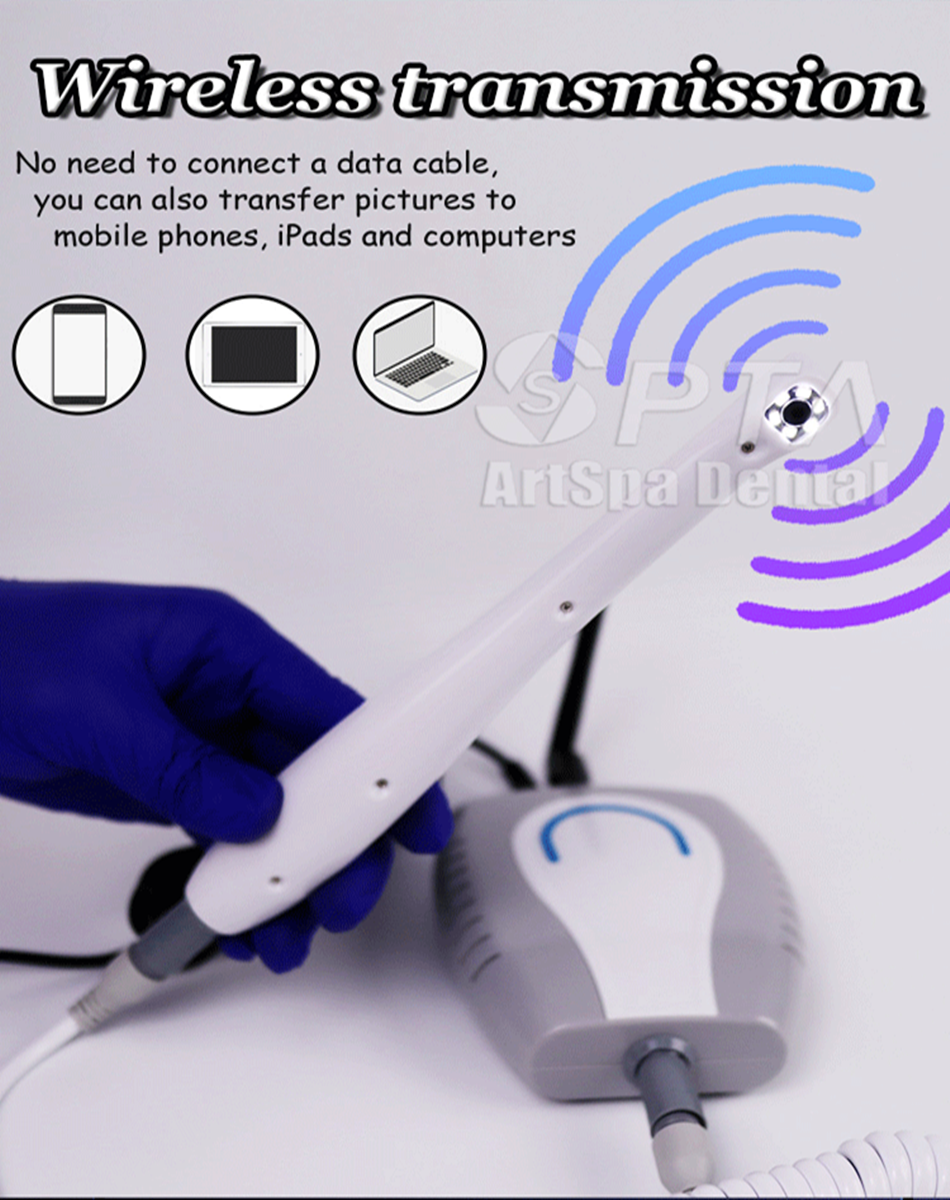
In cases requiring referral to specialists (e.g., oral surgeons or periodontists), intraoral camera images can be shared electronically and easily. This facilitates better collaboration between dental professionals by providing an accurate representation of the patient's condition, ensuring continuity of care.
6. Educational Tool for Patients and Staff
Training and Development
Intraoral cameras can also be utilized as educational tools for staff training and patient education. Dentists can use recorded footage to train dental assistants or hygienists on best practices for oral examinations and patient interactions. Similarly, using the camera to explain procedures to patients can lead to a better understanding of treatment processes.
Empowering Patients
Education through visual aids empowers patients to take an active role in their oral health. When patients have a clear understanding of their conditions and treatments, they are more likely to adhere to preventive care, enhancing long-term oral health.
Intraoral cameras have revolutionized diagnostic processes in dentistry by providing high-resolution images that enhance accuracy and efficiency. They facilitate better patient communication, enable early detection of oral health issues, and support informed decision-making in treatment planning. By incorporating intraoral cameras into their practice, dental professionals can improve not only the diagnostic accuracy but also the overall patient experience, leading to more effective and personalized dental care. As technology continues to advance, the integration of intraoral cameras will play a crucial role in shaping the future of dentistry, ensuring that patients receive the highest standard of care.
 In What Ways Can the Multi-functional Mobile Dental Surgical System Enhance the Efficiency of Dental Surgeries?
 How Does the New Type Touch Screen Electric Micromotor Compare to Traditional Micromotors in Terms of Efficiency and Usability?
 In What Ways Does the Touch Screen Interface Enhance User Experience with the New Type Electric Micromotor?
 What Are the Key Features of the Multi-functional Mobile Dental Surgical System That Make It Stand Out from Traditional Dental Equipment?


