
Content:
Understanding the Components of Dental Handpieces
Extending the Lifespan of Handpieces
Improving Performance and Precision
Following Manufacturer Guidelines
Training and Protocol Development
Dental handpieces are essential instruments in modern dentistry, instrumental in a wide array of procedures from routine check-ups to complex surgeries. Given their importance, maintaining these tools not only ensures optimal performance but also extends their lifespan. Regular maintenance is a critical practice that can save dental professionals both time and money while providing the best possible care for patients. This article explores how regular maintenance of dental handpieces can enhance their longevity and efficiency.

1. Understanding the Components of Dental Handpieces
Types of Handpieces
Dental handpieces can be broadly classified into air-driven and electric models, with each type having its own components that require specific maintenance practices. Common components include:
Motor
Gear System
Bur Collet
Light Source (in LED models)
Cooling Systems
Understanding these components is essential for performing effective maintenance.
Regular Lubrication
One of the most vital aspects of dental handpiece maintenance is thorough lubrication. Handpieces rely on oil to reduce friction between moving parts, such as the motor and gears. Regular lubrication:
Prevents Overheating:Proper lubrication minimizes friction, helping the handpiece operate at optimal temperatures and reducing the risk of overheating and subsequent damage.
Reduces Noise:Well-lubricated handpieces are quieter and operate more smoothly, enhancing the working environment for both dentists and patients.
Cleaning the External and Internal Parts
Routine cleaning helps prevent the accumulation of debris, blood, and other residues that can lead to wear and malfunction. Cleaning protocols generally involve:
External Cleaning:Wiping down the exterior surfaces of the handpiece with appropriate disinfectants helps maintain hygiene and prevents cross-contamination.
Internal Cleansing:Flushing the handpiece with a cleaning solution can remove debris and buildup from the internal components, ensuring consistent performance.
3. Extending the Lifespan of Handpieces
Decreasing Repair Needs
Regular maintenance diminishes the likelihood of mechanical failures, significantly reducing the need for costly repairs or replacements. This proactive approach leads to a more cost-effective practice, helping dental offices manage their budgets more effectively.
Longevity of Components
A well-maintained handpiece enjoys a longer lifespan, as regular care slows down wear on critical components. For example:
Cartridges:With proper lubrication and care, the lifespan of bearings and other internal parts can be extended.
LEDs and Lights:Regular checks and cleaning prevent damage to light sources, ensuring they illuminate the treatment area effectively.
4. Improving Performance and Precision
Consistent Functionality
Regular maintenance keeps dental handpieces functioning at high performance. When a handpiece is well-maintained, it effectively:
Delivers Surgical Precision:Effective cleaning and lubrication enhance the precision of the handpiece, crucial for delicate procedures where precision is vital.
Ensures Reliable Speed:Maintenance ensures that handpieces maintain their designated speed settings, which is essential for different dental procedures.
Better Patient Outcomes
When handpieces function optimally, they contribute to better treatment outcomes. Enhanced performance leads to:
Reduced Procedure Times:Efficient equipment reduces the overall time required for procedures, which can improve the workflow in busy dental practices.
Higher Patient Satisfaction:A smooth and effective treatment experience improves patient comfort and satisfaction, fostering trust in the dental practice.
5. Following Manufacturer Guidelines
Complying with Recommendations
Manufacturers provide specific maintenance guidelines tailored to their products, including how often to lubricate, clean, and inspect the handpieces. Following these guidelines ensures:
Optimal Performance:Adhering to the recommended maintenance practices maximizes the efficacy and reliability of the handpieces.
Warranty Compliance:Many manufacturers require regular maintenance as a condition of warranty coverage. Neglecting maintenance could void warranties and lead to unexpected repair costs.
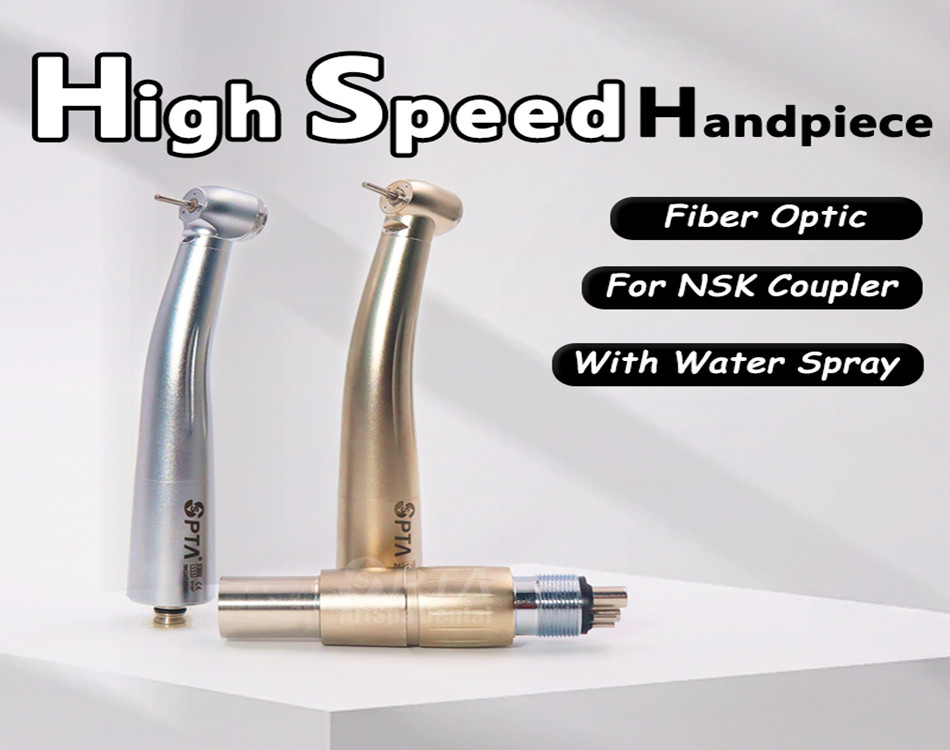
6. Training and Protocol Development
Staff Training
Ensuring that dental assistants and staff are trained in proper handpiece maintenance procedures enhances the overall effectiveness of maintenance efforts. Key training components might include:
Understanding Maintenance Schedules:Staff should be familiar with how often each handpiece should be cleaned and lubricated based on usage.
Recognizing Maintenance Needs:Training can help staff identify signs of wear or malfunction that may require professional repair.
Establishing Maintenance Protocols
Creating standardized maintenance protocols will help ensure consistency in care. These protocols should include checklists, timelines, and responsible parties for each maintenance task.
7. Conclusion
Regular maintenance of dental handpieces is crucial for extending their lifespan and improving performance. By investing time and resources in proper care, dental practices can reduce repair costs, enhance patient satisfaction, and ultimately deliver better outcomes for their patients. Understanding the importance of maintenance, adhering to manufacturer guidelines, and establishing efficient protocols can make a significant difference in the sustainability and success of a dental practice. In the long run, a commitment to consistent maintenance not only protects valuable investments but also maintains the highest standards of patient care and clinical efficiency.
 In What Ways Can the Multi-functional Mobile Dental Surgical System Enhance the Efficiency of Dental Surgeries?
 How Does the New Type Touch Screen Electric Micromotor Compare to Traditional Micromotors in Terms of Efficiency and Usability?
 In What Ways Does the Touch Screen Interface Enhance User Experience with the New Type Electric Micromotor?
 What Are the Key Features of the Multi-functional Mobile Dental Surgical System That Make It Stand Out from Traditional Dental Equipment?


