
In the dental industry, the handpiece is an essential tool that plays a crucial role in delivering quality patient care. Whether a high-speed or low-speed handpiece, these instruments require proper care and maintenance to ensure longevity and optimal performance. With high replacement costs, understanding how to extend the lifespan of your dental handpiece can lead to significant savings and efficiency in dental practices. Here are some effective strategies to make your dental handpiece last longer.
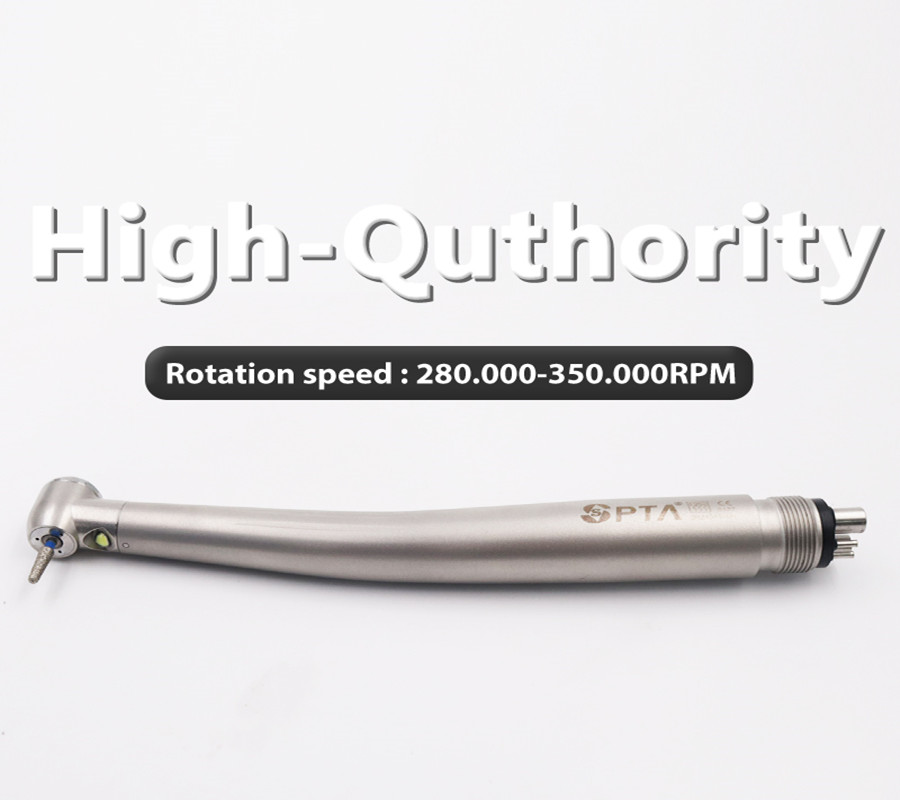
1. Regular Cleaning
Cleaning your dental handpiece after each use is paramount. Residue from dental procedures can accumulate in the handpiece, leading to blockages, corrosion, and eventual malfunction. Use a soft brush and disinfectant recommended by the manufacturer to clean the exterior. Pay special attention to the head of the handpiece, where debris can accumulate.
Rinse and Dry
After cleaning, ensure that you rinse the handpiece properly and allow it to dry completely. Moisture can lead to rusting, which can compromise the tool's integrity.
2. Optimal Lubrication
Proper lubrication is vital to maintaining the inner components of the handpiece. Most manufacturers recommend lubrication after each use. Use a high-quality lubricant specifically designed for dental handpieces. This will not only keep the bearings functioning smoothly but also protect against wear and tear.
3. Sterilization Practices
While sterilization is necessary to ensure patient safety, excessive or improper sterilization can damage your handpiece. Always refer to the manufacturer's guidelines regarding autoclaving procedures. Ensure that you do not exceed the recommended sterilization cycles, as this can adversely impact the function and lifespan of your handpiece.
4. Avoid Excessive Pressure
When using your handpiece, be mindful of the amount of pressure you exert. Excessive pressure can cause overheating and increase wear on the internal mechanics. Allow the handpiece to do the work and use appropriate techniques to minimize strain on the device.
5. Store Properly
When not in use, proper storage of your dental handpiece is crucial. Store your handpieces in a clean, dry environment, ideally in protective cases or trays to prevent accidental damage. Avoid placing heavy items on top of your handpieces or coming into contact with sharp tools.
6. Routine Maintenance and Inspection
Establish a routine for inspecting your handpieces for any signs of damage or wear. Regular checks can catch potential issues early, preventing costly repairs or replacements later. Follow the manufacturer's guidelines for scheduled maintenance, including servicing by a qualified technician.
Conclusion
By adopting these best practices, dental professionals can significantly prolong the life of their handpieces and maintain optimal performance. Regular cleaning, optimal lubrication, careful handling, and proper storage can go a long way in ensuring that these vital tools serve you well for years to come. Investing time and effort in the upkeep of your dental handpieces not only saves costs in the long run but also enhances patient care, ensuring that the dental practice operates smoothly and effectively.
 In What Ways Can the Multi-functional Mobile Dental Surgical System Enhance the Efficiency of Dental Surgeries?
 How Does the New Type Touch Screen Electric Micromotor Compare to Traditional Micromotors in Terms of Efficiency and Usability?
 In What Ways Does the Touch Screen Interface Enhance User Experience with the New Type Electric Micromotor?
 What Are the Key Features of the Multi-functional Mobile Dental Surgical System That Make It Stand Out from Traditional Dental Equipment?


