
In modern dental treatment, electric micromotors are gradually replacing traditional pneumatic air turbine handpieces, becoming a widely adopted tool among dental professionals. Here is a detailed examination of the advantages of electric micromotors in clinical applications, illustrated with real-life scenarios:
Increased Operational Efficiency
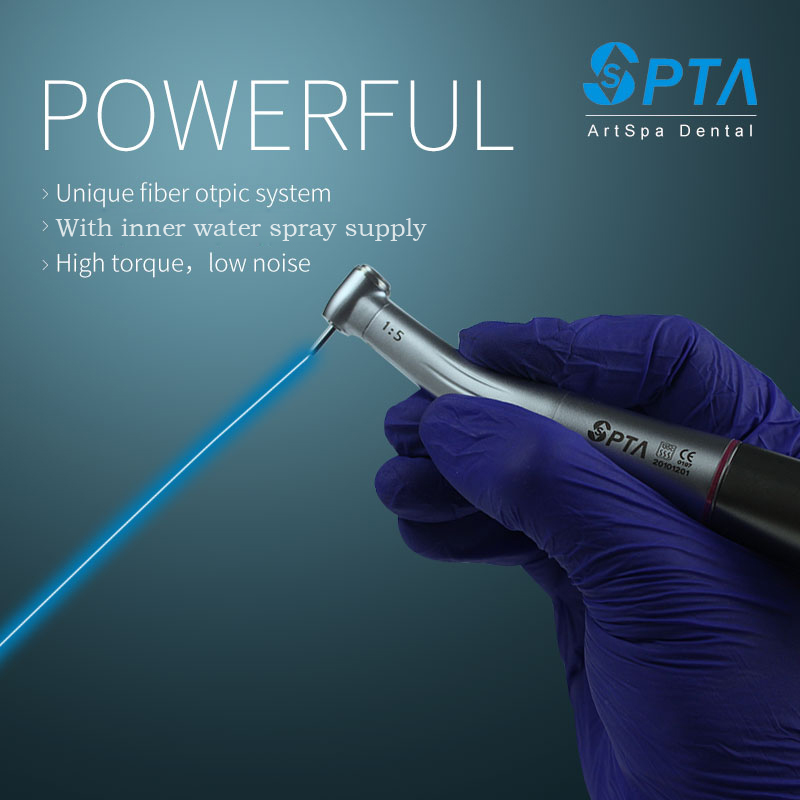
In procedures such as tooth restoration and endodontic treatment, dentists often need to perform significant amounts of cutting or grinding on the teeth. Traditional air turbine handpieces may not provide uniform speed, potentially prolonging the processing time. In contrast, electric micromotors deliver consistent and powerful torque, allowing dentists to complete their tasks more quickly and accurately. For instance, during root canal preparation, an electric motor can achieve the required shape and size in a shorter time, reducing the patient’s treatment duration.
Precision and Adjustable Operation
Electric micromotors(with 1:1 1:5 and 16:1 rotation) are typically equipped with adjustable speed and torque settings, enabling customization based on specific treatment requirements. For example, during tooth preparation, dentists can adjust the speed according to the condition of the patient's teeth, ensuring precision and safety. In complex root canal treatments case, dentists might operate at lower speeds control to prevent additional damage to the teeth.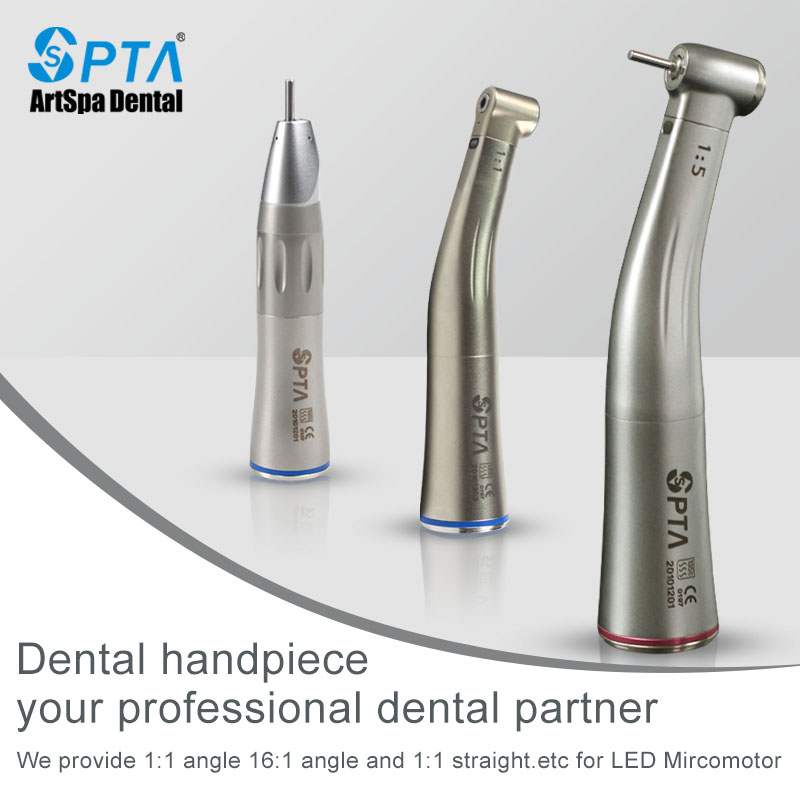
Improve The Patient Comfort
Electric micromotors with LED lamp generally produce less noise and vibration during operation compared to air turbine handpieces. Patients often experience less stress and discomfort during operation. This is particularly crucial for complex procedures, such as root canal therapy for pulpitis, where patients are in the dental chair for an extended period. Reducing noise and vibration significantly contributes to improving the overall patient experience.
Reduced Fatigue for Dentists
Due to the stability and efficiency of Electric micromotors, dentists do not need to make frequent adjustments to the equipment during long procedures, which can help reduce fatigue. For example, in the case of multiple crown restorations, the precise output of electric micromotors allows dentists to focus their attention on each treatment without being distracted by equipment issues.
Lower Maintenance Save the Costs and Economic Benefits
From the maintenance perspective, electric micromotors have a relatively simple system, and their components are easier to replace. Over time, electric micromotors exhibit lower maintenance costs compared to pneumatic air pressure systems. Dental practices can reduce operational costs by minimizing equipment failure rates and enhancing device utilization.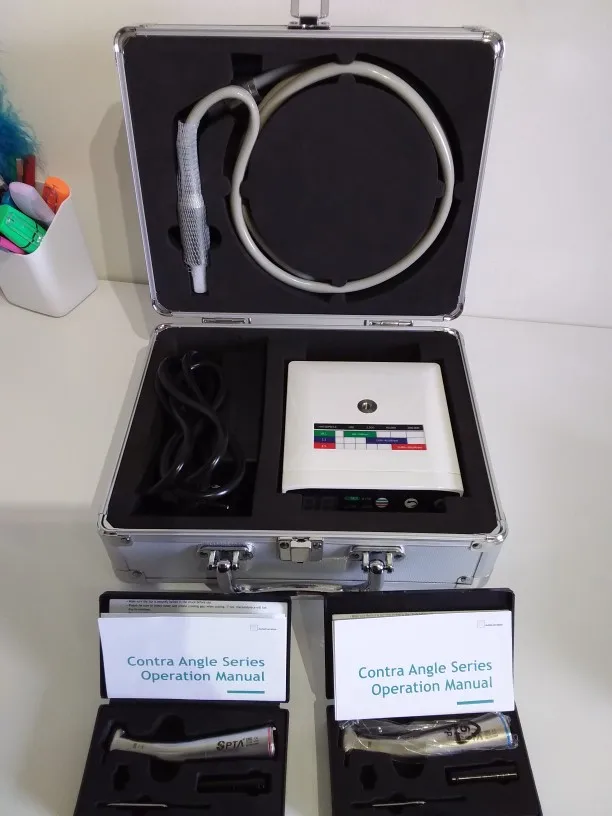
Versatility for Various Treatment Needs
Electric micromotors can support a wide range of dental attachments for different procedures, such as cutting(under the 1:1 working model), polishing(under the 1:5 increasing working model), or endodontic preparation(under the reduction 16:1 working model). This versatility means that a single electric micromotors can meet most of the dental treatment demands, increasing the comprehensive use of the equipment. For instance, during teeth restoration, the ability to easily switch attachments allows for efficient handling of various operations.
Improved Treatment Outcomes and Safety
The ability of electric micromotors to provide stable speeds leads to enhanced uniformity when removing tissue or processing materials, reducing the risk of damaging healthy tooth structures during cutting.With the LED light illumination,it help the viewness of and dark and small paitent month a lots.Moreover this allows dentists to perform repairs within a smaller area, minimizing injury to surrounding healthy tissue and thereby improving the safety and effectiveness of treatments.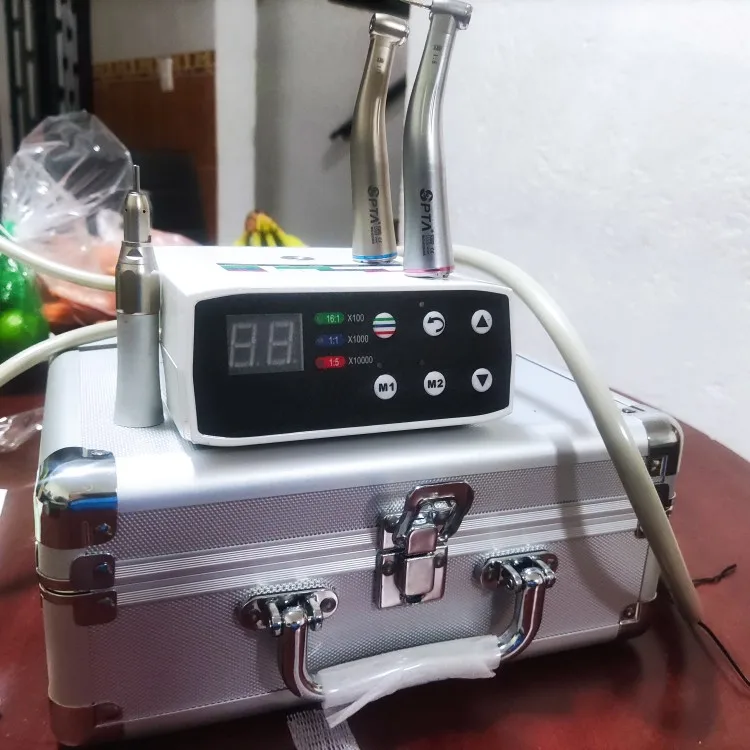
Conclusion
In summary, electric micromotors exhibit unique advantages in dental clinical applications, from increasing operational efficiency to enhancing patient experience. These benefits positively impact modern dental treatment, boosting dentists' confidence in handling difficult cases while providing patients with high-quality care. As technology advances, the application of electric
micromotors in the dental field is expected to expand,further driving innovation and development in dental treatment. Electric micromotors with a LED light have become an indispensable part of modern dental equipment.
 In What Ways Can the Multi-functional Mobile Dental Surgical System Enhance the Efficiency of Dental Surgeries?
 How Does the New Type Touch Screen Electric Micromotor Compare to Traditional Micromotors in Terms of Efficiency and Usability?
 In What Ways Does the Touch Screen Interface Enhance User Experience with the New Type Electric Micromotor?
 What Are the Key Features of the Multi-functional Mobile Dental Surgical System That Make It Stand Out from Traditional Dental Equipment?


