
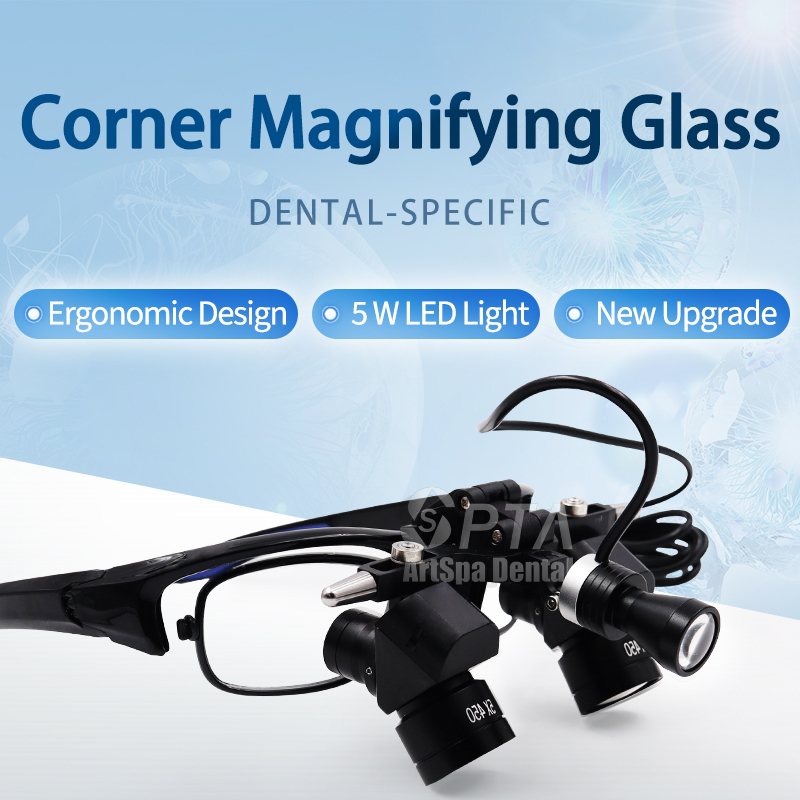
Dental professionals often spend long hours in fixed positions while delivering intricate treatments. As a result, the risk of developing neck and back pain becomes significant, and many practitioners find themselves struggling with discomfort that can affect their performance and quality of life. One effective way to alleviate this issue is to invest in ergonomically designed dental loupes. This article discusses essential ergonomic considerations for dental loupes to help prevent neck and back pain.
What is Ergonomics?
Ergonomics is the study of how to design and arrange workspaces and tools to fit the users’ needs, enhancing comfort and efficiency. In dentistry, good ergonomics ensures that practitioners can work effectively without putting undue strain on their bodies.
Impact on Health
Proper ergonomic practices not only reduce the risk of pain and injury but also enhance overall productivity and job satisfaction. When dental professionals can work comfortably, they can focus their attention on delivering quality patient care without being distracted by discomfort.
Magnification Levels
Dental loupes come in various magnification levels (e.g., 2.5x, 3.5x, and higher). The choice of magnification should align with your specific procedures. Higher magnification allows for greater detail resolution, which can improve precision during intricate tasks.
Working Distance
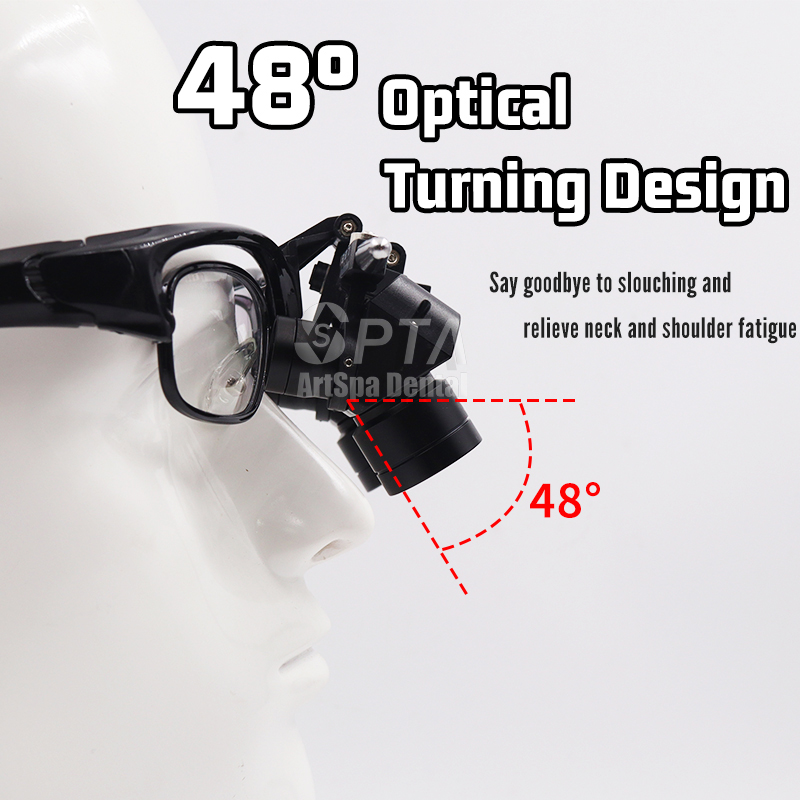
Choosing the correct working distance is crucial for both comfort and posture. This distance refers to the space between the lenses and the working area (e.g., the patient’s mouth). Adjusting this distance appropriately can minimize the tendency to lean forward or backward, reducing stress on the neck and back.
Adjustability Features
Selecting loupes with adjustable frames can significantly enhance ergonomic comfort. Features such as adjustable nose pads and temple arms allow dental professionals to customize the fit based on their individual facial structure.
Finding the Right Fit
An adjustable frame helps ensure that the loupes sit at the appropriate height, enabling the user to maintain a neutral head position. Proper alignment reduces strain on the neck and keeps the practitioner’s focus aligned with the treatment area.
Supportive Headgear
Many modern dental loupes come with headbands or other attachment systems that distribute the weight of the magnifying lenses more evenly across the head. This design can help reduce overall fatigue and discomfort during extended use.
Balancing Weight Distribution
Choosing loupes that are lightweight and well-balanced can further enhance comfort. A balanced setup reduces the tendency to shift the head forward or backward to compensate for misalignment, positively impacting neck and back posture.
Proper Working Position
Adopting an ergonomic working position is essential for minimizing discomfort. Dental professionals should aim to keep their back straight and shoulders relaxed while working. A proper stance involves bending slightly at the knees and keeping the patient’s oral cavity at eye level.
Using Body Mechanics
Incorporate proper body mechanics by adjusting the patient’s chair height, ensuring that you do not need to lean excessively or twist your torso. The goal should be to position yourself comfortably to reduce strain on your neck and back.
Importance of Breaks
Even with the best ergonomic setup, spending long hours in a fixed position can lead to fatigue and discomfort. Incorporating regular breaks into your workflow provides necessary relief for your muscles and joints.
Stretching Exercises
Simple stretching exercises can alleviate tension and improve overall flexibility. Consider neck rolls, shoulder shrugs, and back stretches as part of your routine. Taking a few minutes to stretch every hour can make a significant difference in maintaining comfort.
Inspection of Loupes
Regularly inspect and maintain your loupes to ensure that they are functioning correctly and that adjustments have not shifted over time. Keeping your loupes clean and in good condition will ensure optimal performance and comfort.
Consulting with Specialists
If you continue to experience discomfort despite using ergonomically designed loupes, consider consulting an ergonomics specialist or physical therapist. They can provide tailored advice and insights to further enhance your workstation ergonomics.
 In What Ways Can the Multi-functional Mobile Dental Surgical System Enhance the Efficiency of Dental Surgeries?
 How Does the New Type Touch Screen Electric Micromotor Compare to Traditional Micromotors in Terms of Efficiency and Usability?
 In What Ways Does the Touch Screen Interface Enhance User Experience with the New Type Electric Micromotor?
 What Are the Key Features of the Multi-functional Mobile Dental Surgical System That Make It Stand Out from Traditional Dental Equipment?


