
Choosing the right dentist glasses is an essential investment for dental professionals seeking to enhance their precision, comfort, and overall effectiveness during procedures. However, this decision is not without its challenges. Many practitioners may inadvertently make mistakes that can compromise their vision and performance. To help you make an informed choice, this article outlines common mistakes to avoid when selecting dentist glasses for your practice.
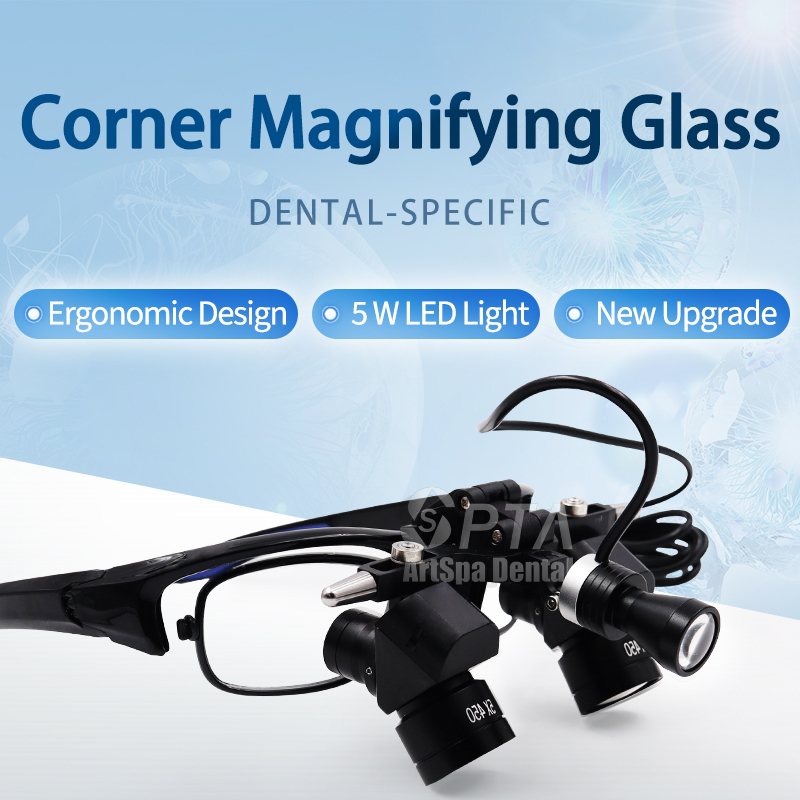
1. Neglecting to Assess Your Specific Needs
Importance of Individual Requirements
One of the first mistakes practitioners make is not considering their specific needs based on the procedures they perform. Each dental specialty requires different visual capabilities.
What to Do:
Evaluate the types of procedures you most frequently perform. For example, endodontists may benefit from high-magnification loupes, while orthodontists might prefer glasses that enable clear distance vision.
Consider your working environment, such as lighting conditions, where glasses with anti-reflective coatings can help reduce glare.
2. Overlooking Comfort and Fit
Consequences of Poor Fit
Glasses that do not fit well can lead to discomfort, distraction, and even physical strain during long procedures. If your glasses are too tight, too loose, or do not conform to your facial features, it can negatively impact your performance.
What to Do:
Choose models with adjustable nose pads and temple arms to ensure a customizable fit.
Try on multiple frames to find one that provides comfort and stability during use, ensuring you can focus on your work.
3. Choosing the Wrong Lens Type
Significance of Lens Selection
Different lens types serve different purposes. Selecting the wrong lens can result in visual discomfort or inadequate magnification.
What to Do:
Familiarize yourself with options like single vision, bifocal, or progressive lenses based on your specific tasks. For instance, progressive lenses are excellent for transitioning between distant and near vision, ideal for busy dental practices.
Consider incorporating magnifying loupes for intricate procedures that require heightened visual acuity.
4. Ignoring Lens Quality and Coatings
Impact of Lens Quality
The quality of the lenses can significantly affect your vision. Low-quality lenses may distort your viewing experience, while appropriate coatings can enhance usability.
What to Do:
Opt for high-quality lenses that minimize distortion and offer superior optical clarity.
Look for anti-reflective coatings to reduce glare and scratches, as well as UV protection to shield your eyes from harmful light.
5. Underestimating the Importance of Eye Protection
Risks of Not Using Protective Eyewear
Dentists are often exposed to splatter, bright lights, and harmful agents during procedures. Failing to choose glasses that provide adequate protection can lead to eye injuries or long-term damage.
What to Do:
Consider glasses with side shields or wrap-around designs for additional protection against debris and chemicals.
Ensure the lenses have UV protection and sturdy frames that withstand the rigors of a dental practice.
6. Forgetting About Style and Professional Image
The Role of Aesthetic Appeal
While functionality is crucial, the appearance of your glasses also matters. Many practitioners choose models without considering how they reflect their professionalism.
What to Do:
Choose frames that align with your personal style and the image you want to project in your practice.
Consider colors and designs that enhance your professional demeanor without sacrificing function.
7. Failing to Seek Professional Advice
Overlooking Expert Guidance
Many practitioners make the mistake of selecting glasses without consulting an optician or eyewear specialist who understands the unique demands of dental work.
What to Do:
Work with an optician who specializes in eyewear for dental professionals. They can guide you toward the best options based on your specialty, preferences, and work environment.
Bring along any specific needs or preferences you have regarding vision requirements or comfort.
8. Not Reviewing the Warranty and Support Options
Importance of Warranty
Choosing dentist glasses without checking warranty and support options can lead to regret if issues arise after purchase.
What to Do:
Always inquire about warranty terms and post-purchase support. A solid warranty indicates the manufacturer’s confidence in their product and can save you money on repairs or replacements in the future.
Selecting the right dentist glasses is crucial for enhancing precision, comfort, and safety in dental practice. By avoiding common mistakes—such as neglecting to assess specific needs, misjudging fit and comfort, ignoring lens quality, and failing to seek expert advice—you can make an informed decision that supports your professional success. Taking the time to choose the right eyewear will not only improve your performance during complex procedures but also contribute to a better experience for your patients. Investing in high-quality dentist glasses is a commitment to excellence in dental care and personal well-being.
 In What Ways Can the Multi-functional Mobile Dental Surgical System Enhance the Efficiency of Dental Surgeries?
 How Does the New Type Touch Screen Electric Micromotor Compare to Traditional Micromotors in Terms of Efficiency and Usability?
 In What Ways Does the Touch Screen Interface Enhance User Experience with the New Type Electric Micromotor?
 What Are the Key Features of the Multi-functional Mobile Dental Surgical System That Make It Stand Out from Traditional Dental Equipment?


