In modern dentistry, achieving optimal restorations in class II cavities requires effective isolation and contouring of the tooth structure. Traditionally, dental professionals have relied on universal or circumferential matrix bands to achieve this goal. However, dental sectional matrix systems have emerged as an innovative alternative that offers several advantages over traditional methods. This article explores the key benefits of using a dental sectional matrix system, detailing how it can enhance dental procedures and outcomes.

1. Improved Contour and Adaptation
Precision Fit
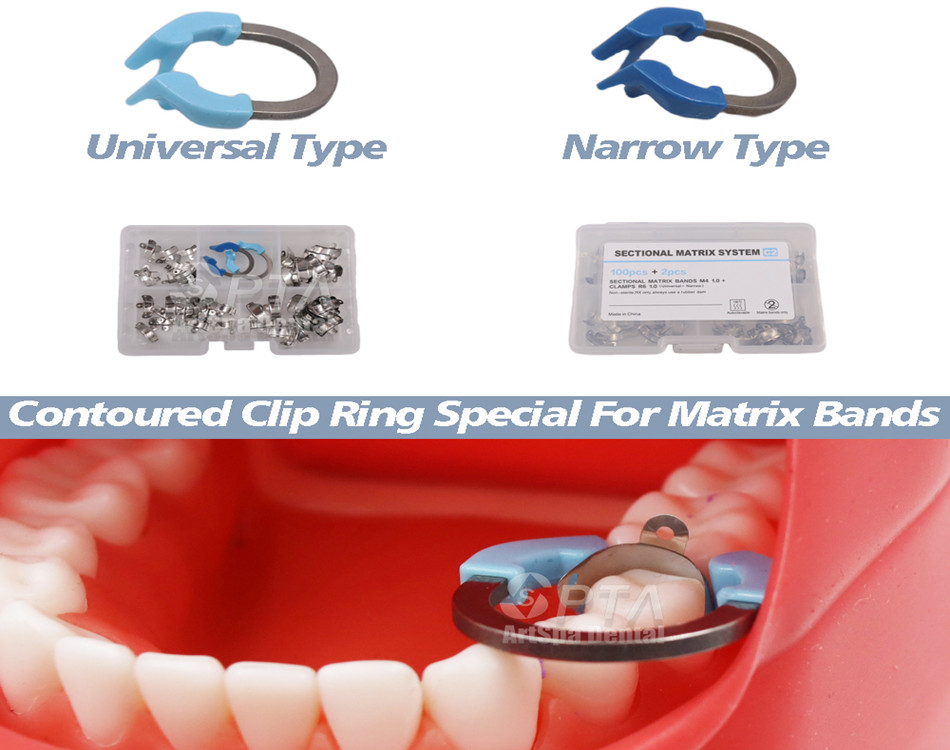
One of the most significant advantages of sectional matrix systems is their ability to create a more precise adaptation to the tooth. Sectional matrices are designed to fit snugly around the tooth, allowing for better contouring of the restoration.
Enhanced Geometry
The tapered design of sectional matrices ensures that they can conform closely to the natural anatomy of the tooth, resulting in more accurate interproximal contacts. This precision minimizes the risk of overhangs which can lead to plaque accumulation and periodontal issues.
2. Better Isolation of the Treatment Area
Effective Wedge Placement
Sectional matrix systems often include wedges that further aid in tooth isolation. These wedges help stabilize the matrix, reducing the chances of it distorting during the curing process. The ability to achieve effective isolation is crucial for successful bonding.
Minimized Risk of Contamination
By providing a more stable matrix, these systems help minimize the risk of saliva or moisture contamination during the procedure, which is critical for ensuring the success of the bond between the tooth structure and the restorative material.
3. Reduced Time and Increased Efficiency
Simplified Application Process
Sectional matrix systems typically feature intuitive designs that allow for easier placement and removal. This can significantly reduce chair time compared to traditional methods that often require more adjustments and handling.
Streamlined Workflow
With less time spent adjusting matrices and wedges, dentists can move through procedures more quickly and efficiently, enhancing overall practice productivity while maintaining high-quality results.
4. Enhanced Visibility and Access
Open Access Design
The sectional matrix system allows for improved visibility and access to the treatment site. Traditional matrices can obstruct the dentist's view, but the design of sectional systems enables practitioners to see what they are working on without interference.
Easier Handling
The smaller size and unique design of sectional matrices facilitate easier handling, especially in posterior areas where visibility and access can be challenging. This is particularly beneficial for dentists working in confined spaces within the oral cavity.
5. Reduced Post-Operative Complaints
Minimized Overhangs and Voids
With improved contouring and a better fit, sectional matrix systems help reduce the occurrence of overhangs and voids in restorations, leading to a smoother finish and better adaptation to the tooth.
Improved Patient Comfort
The precise nature of sectional matrices promotes proper occlusion and interproximal contact, minimizing the risk of post-operative sensitivity and discomfort for patients. This contributes to higher patient satisfaction and greater trust in the practitioner.
6. Versatility Across Various Restorative Materials
Compatible with Multiple Materials
Sectional matrix systems are often designed to work seamlessly with various restorative materials, including composites and glass ionomers. This versatility allows for a broader application in diverse clinical scenarios.
Simplified Use with Different Techniques
Whether using bulk-fill materials, incremental layering, or specific bonding techniques, sectional matrices can accommodate various restorative approaches effectively.
Smoother Final Restorations
The precise adaptation and better contouring of sectional matrices contribute to a smoother finish on the restoration. This can lead to superior aesthetic outcomes, particularly in anterior restorations where appearance is crucial.
Enhanced Shade Matching
Using a sectional matrix allows for more accurate placement of restorative materials in relation to existing tooth structure, leading to improved shade matching and more natural-looking results.
The advantages of using a dental sectional matrix system over traditional matrix methods are significant, particularly in terms of precision, efficiency, and overall restorative success. By providing improved contouring, better isolation, and enhanced visibility, sectional matrix systems empower dental professionals to deliver high-quality restorations that meet patient needs and expectations. As dentistry continues to evolve, embracing these advanced techniques can enhance practice outcomes, boost patient satisfaction, and ensure the highest standards of care. Investing in a sectional matrix system is not just a step toward modernizing techniques; it is a commitment to achieving excellence in restorative dentistry.
 In What Ways Can the Multi-functional Mobile Dental Surgical System Enhance the Efficiency of Dental Surgeries?
 How Does the New Type Touch Screen Electric Micromotor Compare to Traditional Micromotors in Terms of Efficiency and Usability?
 In What Ways Does the Touch Screen Interface Enhance User Experience with the New Type Electric Micromotor?
 What Are the Key Features of the Multi-functional Mobile Dental Surgical System That Make It Stand Out from Traditional Dental Equipment?


