Introduction to Dental Instruments
Dental professionals rely on various tools to examine, diagnose, and treat oral conditions. Among these, dental mirrors and probes stand out as indispensable instruments. They allow for thorough examinations, ensuring that practitioners can identify issues early and develop appropriate treatment plans.
Importance of Accurate Diagnosis
Accurate diagnosis is crucial for effective treatment. Misdiagnosis can lead to unnecessary procedures, patient discomfort, and even compromised oral health. By utilizing dental mirrors and probes properly, practitioners can improve their diagnostic accuracy, leading to better outcomes for patients.
Understanding Dental Mirrors
Types of Dental Mirrors
Flat Mirrors: These are typically used for standard examinations.
Concave Mirrors: Useful for up-close examinations, offering a wider field of view.
Magnifying Mirrors: Enhance visibility for detailed inspection.
Proper Handling Techniques
Grip: Hold the mirror firmly but gently to avoid dropping it.
Angling: Position the mirror at an appropriate angle to reflect light into hard-to-see areas.
Visibility: Always ensure that the field of vision is clear and unobstructed.
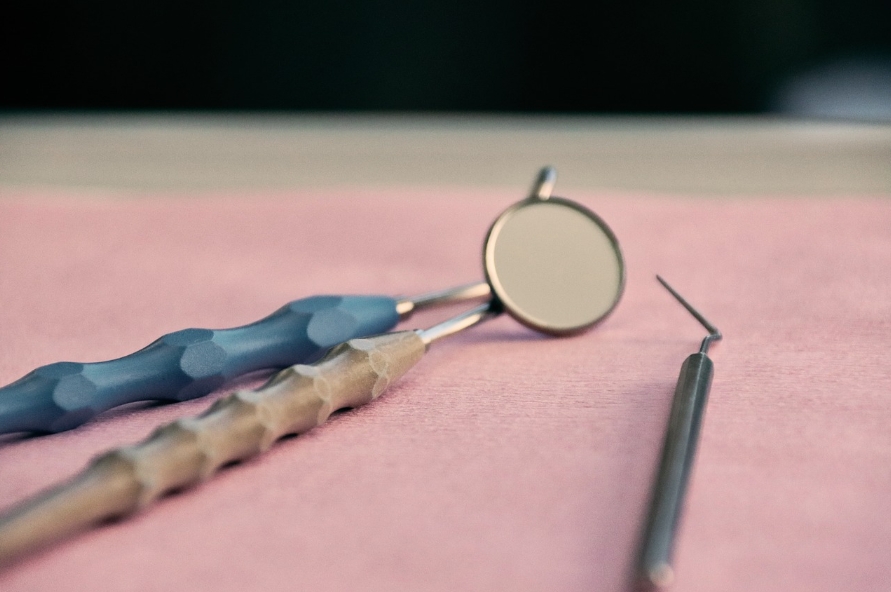
Types of Dental Probes
Explorer Probes: Ideal for detecting caries, calculus, and other irregularities.
Periodontal Probes: Measure pocket depths around teeth, essential for diagnosing periodontitis.
Effective Probe Techniques
Gentle Exploration: Use a light touch to avoid damaging sensitive tissues.
Systematic Approach: Examine each quadrant of the mouth methodically to ensure thoroughness.
Documentation: Record findings accurately to track changes over time.
Combining Mirrors and Probes for Optimal Diagnosis
Visual and Tactile Assessment
Utilizing both mirrors and probes allows for a comprehensive assessment. Mirrors provide a visual perspective, while probes offer tactile feedback, enabling practitioners to detect issues that might not be visible.
Enhancing Communication with Patients
Using mirrors and probes effectively can also enhance communication with patients. Demonstrating findings through these tools helps patients understand their oral health status, leading to increased compliance and better treatment outcomes.
Common Challenges and Solutions
Ineffective Angling of Mirrors
Solution: Practice different techniques to find the optimal angle for reflection. Each patient's anatomy is unique, so adaptability is crucial.
Inappropriate Pressure with Probes
Solution: Use a delicate touch while probing. Training and practice can help develop the necessary technique.
Overlooking Areas
Solution: Develop a systematic approach to examinations, using the dental chart to ensure all areas have been assessed.
Best Practices for Dental Examinations
Pre-Exam Preparation
Sterilization: Ensure all instruments are properly sterilized before use.
Patient Positioning: Position the patient comfortably to allow for a thorough examination.
During the Examination
Utilize Proper Lighting: Good lighting is essential for visibility.
Communicate with the Patient: Inform them about the examination process and what they can expect.
Advanced Techniques and Technologies
Digital Dental Diagnosis
Incorporating digital tools can enhance the diagnostic process. Digital imaging, for instance, allows for a more detailed view of dental structures, complementing traditional examinations with mirrors and probes.
Teledentistry
The rise of teledentistry offers opportunities to discuss oral health remotely. Patients can share images taken with their smartphones, and practitioners can guide them in self-examination techniques using mirrors.
Mastering the use of dental mirrors and probes is essential for enhancing diagnostic accuracy in clinical settings. By understanding their applications, employing best practices, and addressing common challenges, dental professionals can significantly improve their examination skills. This leads not only to more accurate diagnoses but also to better patient outcomes. With advancing technologies and techniques, the future of dental diagnostics looks promising, paving the way for safer and more effective patient care.
1. How often should dental mirrors and probes be sterilized?
Dental mirrors and probes should be sterilized after each use to prevent cross-contamination and ensure patient safety.
2. Can dental mirrors help in oral cancer screenings?
Yes, dental mirrors can aid in visual inspection during oral cancer screenings, allowing dentists to detect abnormalities early.
3. What should I do if I am not comfortable using a dental probe?
If you're inexperienced with probes, consider seeking additional training or guidance from an experienced colleague.
4. Are there alternatives to traditional dental mirrors and probes?
Digital imaging technologies and intraoral cameras provide alternatives but should complement traditional examination tools rather than replace them.
5. How can I improve my skills in using dental instruments?
Practice is key! Continuing education courses and hands-on workshops can also enhance your proficiency in using dental mirrors and probes.
By following these practices and utilizing both mirrors and probes effectively, dental professionals can ensure comprehensive and accurate clinical evaluations, ultimately leading to better dental health for their patients.

 In What Ways Can the Multi-functional Mobile Dental Surgical System Enhance the Efficiency of Dental Surgeries?
 How Does the New Type Touch Screen Electric Micromotor Compare to Traditional Micromotors in Terms of Efficiency and Usability?
 In What Ways Does the Touch Screen Interface Enhance User Experience with the New Type Electric Micromotor?
 What Are the Key Features of the Multi-functional Mobile Dental Surgical System That Make It Stand Out from Traditional Dental Equipment?


