Understanding Dental Anxiety
What is Dental Anxiety?
Dental anxiety is the fear or apprehension that individuals experience when contemplating or undergoing dental treatment. It can range from mild unease to severe panic attacks, often preventing patients from seeking necessary dental care.
Causes of Dental Anxiety
Previous Negative Experiences: Past traumas in a dental chair can leave lasting psychological scars.
Fear of Pain: The anticipation of pain and discomfort can heighten anxiety.
Fear of Needles: The prospect of injections or needles can be frightening for many.
Loss of Control: Being in a vulnerable position can lead to feelings of helplessness.
Embarrassment: Concerns about oral hygiene or fear of judgment can deter individuals from attending dental appointments.
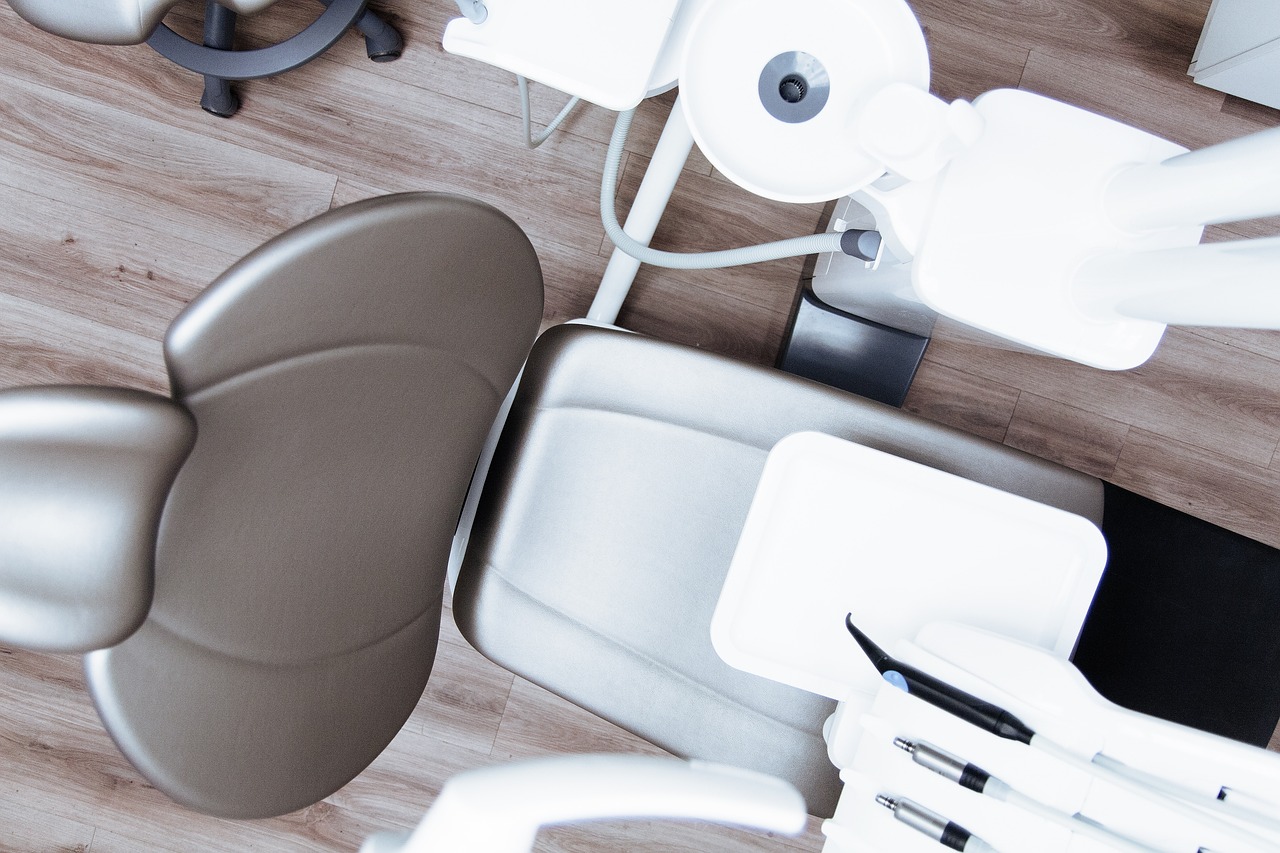
Importance of Dental Health
Why Regular Dental Visits Matter
Regular dental visits are crucial for maintaining overall health. They not only help prevent cavities and gum disease but also aid in early detection of more serious conditions. Comprehensive dental care is vital for:
Preventing Tooth Decay: Routine cleanings help eliminate plaque and tartar buildup.
Detecting Issues Early: Dentists can identify potential problems before they escalate.
Maintaining Overall Health: Good oral health is linked to overall health, including cardiovascular health.
Strategies to Overcome Dental Anxiety
1. Communication with Your Dentist
One of the most effective ways to combat dental anxiety is to communicate openly with your dentist. Discuss your fears and concerns before any treatment begins. The best dentists understand their patients' anxieties and can tailor their approach accordingly.
Ask Questions: Understanding the procedures can demystify the experience.
Discuss Pain Management: Many dentists offer options for sedation dentistry, which can make you more comfortable.
2. Choose the Right Dental Practice
Research Providers: Look for dentists with great reviews or those who specialize in treating anxious patients.
Consider Location and Environment: A calm, clean, and welcoming environment can significantly reduce anxiety.
3. Utilize Relaxation Techniques
Incorporating relaxation techniques can help ease your anxiety before and during your dental visits:
Deep Breathing Exercises: Focus on slow, deep breaths to calm your nerves.
Visualization: Imagine a peaceful place or a calming scenario to distract yourself.
Progressive Muscle Relaxation: Tense and then relax different muscle groups to reduce physical tension.
4. Know Your Options for Sedation Dentistry
Sedation dentistry can be particularly beneficial for those with severe dental anxiety. Options include:
Nitrous Oxide (Laughing Gas): Provides a light sedation effect while keeping you awake.
Oral Sedation: Involves taking a prescribed sedative before your appointment.
IV Sedation: For more invasive procedures, this option puts you in a state of deep relaxation.
5. Bring a Support Person
Having a trusted friend or family member accompany you can provide emotional support. They can help ease your mind and provide comfort during tricky moments.
6. Distraction Techniques
Using distraction can be highly effective during dental procedures:
Music or Audiobooks: Bring headphones to listen to your favorite tunes or an engaging story.
Visual Distractions: Look at a picture or item that makes you happy.
7. Consider Therapy or Counseling
Cognitive Behavioral Therapy (CBT) can help individuals change their thought patterns about dental visits. A professional therapist can guide you through techniques to manage and reduce anxiety.
The Role of Technology in Modern Dentistry
Embracing Dental Innovations
Today's dental technology has made procedures less invasive and more comfortable. Some advancements that may ease your fears include:
Laser Dentistry: Minimizes discomfort and often eliminates the need for anesthetics.
Digital X-Rays: Reduces radiation exposure and provides instant results.
Teledentistry: Allows for consultations from the comfort of your home, reducing the anxiety related to in-person visits.
Coping with Anxiety After Your Visit
1. Reflect on Your Experience
After your appointment, take a moment to reflect on what went well. Acknowledge your feelings and identify the techniques that worked best for you.
2. Follow Up with Rewards
Consider treating yourself after a successful dental visit. A small reward can create positive associations with dental care and encourage future visits.
3. Maintain a Routine
Establishing a consistent dental care routine at home can help reinforce the importance of oral health and reduce anxiety over time.
Dental anxiety is a real issue, but it doesn’t have to dictate your experience at the dentist. By employing various strategies, such as open communication with your dentist, incorporating relaxation techniques, and leveraging modern dental technology, you can significantly reduce your fears. Remember, taking control of your dental health is empowering, and the right support can make all the difference.
If you're struggling with dental anxiety, consider discussing your concerns with a dental professional. They can offer personalized strategies to help you achieve a more comfortable and positive dental experience.
Your oral health is crucial for your overall well-being, so take the brave step toward a healthier you by facing those dental fears head-on!


 In What Ways Can the Multi-functional Mobile Dental Surgical System Enhance the Efficiency of Dental Surgeries?
 How Does the New Type Touch Screen Electric Micromotor Compare to Traditional Micromotors in Terms of Efficiency and Usability?
 In What Ways Does the Touch Screen Interface Enhance User Experience with the New Type Electric Micromotor?
 What Are the Key Features of the Multi-functional Mobile Dental Surgical System That Make It Stand Out from Traditional Dental Equipment?


