Introduction
Dental handpieces are invaluable tools for dentists, playing a critical role in procedures ranging from routine cleanings to complex surgeries. Proper maintenance not only ensures their longevity but also contributes to the overall quality of patient care and safety. Understanding how to care for these instruments effectively can save dental practices time and money while enhancing service quality.
Importance of Handpiece Maintenance
Enhancing Performance
Regular maintenance keeps handpieces running smoothly, increasing their performance during dental procedures. Well-maintained instruments reduce the risk of breakdowns, thereby preventing interruptions in treatment.
Cost-Effectiveness
Handpieces can be a significant investment for dental practices. By investing time and resources in proper maintenance, practices can prolong the lifespan of their handpieces and avoid costly replacements.
Patient Safety and Comfort
Inadequately maintained handpieces can lead to complications, including overheating and inadequate sterilization, posing risks to patient safety. Ensuring your instruments are in excellent condition safeguards both patient health and comfort.
Types of Dental Handpieces
Understanding the different types of dental handpieces is essential for effective maintenance.
High-Speed Handpieces
High-speed handpieces are designed for precise cutting and are vital during restorative procedures. They operate at speeds exceeding 400,000 RPM, requiring regular lubrication and cleaning.
Low-Speed Handpieces
Low-speed handpieces are typically used for polishing and more delicate tasks. These instruments may require different maintenance strategies and lubricants, emphasizing the need for tailored care.
Electric Handpieces
Electric handpieces provide enhanced torque and speed control, making them increasingly popular. Maintaining electric handpieces involves special care due to their unique components.
Cleaning Procedures
After each use, handpieces should be cleaned to remove debris and contaminants. Follow these steps:
External Cleaning: Use a disinfectant wipe or solution to clean the exterior surface of the handpiece, ensuring all visible debris is removed.
Rotor Cleaning: Remove any attached components and flush the rotor with a cleaning solution according to the manufacturer’s instructions.
Lubrication
Daily lubrication of handpieces is vital for preventing friction and wear. Use a high-quality lubricant specifically designed for dental handpieces. Here’s how:
Apply Lubricant: Place a few drops of lubricant into the handpiece’s air intake and run it for a few seconds to distribute evenly.
Wipe Excess: After lubrication, wipe off any excess to prevent attracting debris.
Sterilization
Sterilization is an essential step in maintaining handpieces. Proper sterilization prevents cross-contamination.
Steam Sterilization: Follow the manufacturer’s recommendations for sterilizing your handpieces. Most high-speed and low-speed handpieces can be autoclaved.
Follow Protocols: Ensure you’re adhering to your dental practice’s infection control protocols and state regulations.
Weekly Maintenance Strategies
Thorough Inspection
Conducting a weekly inspection of dental handpieces can identify issues before they escalate. Focus on:
Wear and Tear: Check for signs of wear on the handpiece bur and other attachments.
Functionality Tests: Run the handpiece to ensure it operates smoothly, examining for unusual noises or vibrations.
Detailed Cleaning
In addition to daily cleaning, undertake a more thorough weekly cleaning:
Disassemble Handpieces: If permitted, disassemble handpieces according to manufacturer guidelines for a complete clean.
Ultrasonic Cleaning: Utilize an ultrasonic cleaner for intricate parts that are difficult to clean manually.
Component Replacement
Check and replace worn components, such as O-rings and internal gaskets, to maintain the integrity and performance of each handpiece.
Monthly Maintenance Checklist
Professional Servicing
Consider professional servicing of dental handpieces every three to six months, depending on usage and manufacturer guidelines:
Calibration: Ensure handpieces are calibrated to their desired specifications.
Repairs: Address minor repairs that can prevent larger issues down the line.
Review Usage Logs
Maintain detailed usage logs for each handpiece to track performance, maintenance history, and usage frequency. This data can guide your maintenance schedule.
Troubleshooting Common Problems
Handpiece Overheating
Symptoms: Handpieces may overheat during extended use.
Solutions:
Confirm properlubrication.
Inspect the air compressor and supply lines for any obstructions.
Decreased Speed or Power
Symptoms: Handpieces display decreased performance.
Solutions:
Check for loose connections.
Clean and lubricate internal components.
Unusual Noises
Symptoms: Grinding or clicking noises during operation.
Solutions:
Inspect for loose or damaged parts.
Consider professional evaluation if the issue persists.
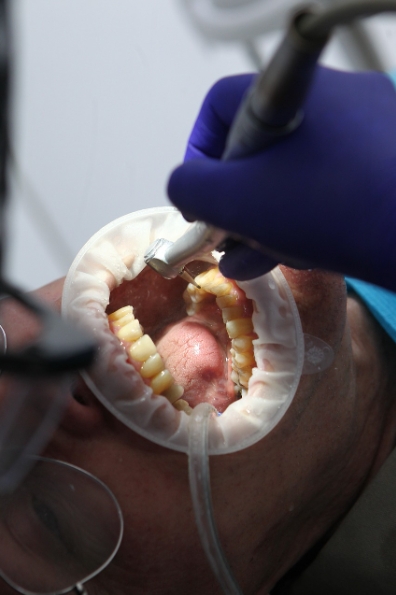
Maintaining and extending the lifespan of dental handpieces is vital for any dental practice aiming for excellence in patient care. By following thorough daily, weekly, and monthly maintenance routines, practitioners can safeguard the investment they've made in their instruments while ensuring high-quality care for their patients.
Incorporate professional service and utilize data-driven maintenance strategies to enhance the performance and durability of your handpieces. By understanding their unique needs and enacting these best practices, dental professionals can create a reliable foundation for delivering outstanding dental services.


 In What Ways Can the Multi-functional Mobile Dental Surgical System Enhance the Efficiency of Dental Surgeries?
 How Does the New Type Touch Screen Electric Micromotor Compare to Traditional Micromotors in Terms of Efficiency and Usability?
 In What Ways Does the Touch Screen Interface Enhance User Experience with the New Type Electric Micromotor?
 What Are the Key Features of the Multi-functional Mobile Dental Surgical System That Make It Stand Out from Traditional Dental Equipment?


