
Root canal treatment has long been a cornerstone of endodontic care, allowing dentists to save teeth that would otherwise need extraction due to infection or damage. Traditionally, this procedure involved manual instrumentation, which, while effective, could be time-consuming and required significant skill to navigate the intricate root canal anatomy. However, with the introduction of the endo motor, the landscape of root canal treatment is undergoing a remarkable transformation. Let’s explore how endo motors are revolutionizing this essential dental procedure.

One of the most significant advantages of using an endo motor is the increased efficiency it brings to root canal treatments. These devices provide consistent and controlled rotation for endodontic files, significantly reducing the time it takes to prepare the canal. Dentists can complete the cleaning and shaping phases more quickly while maintaining the quality of their work. The efficient operation of endo motors allows for a more streamlined workflow in the dental practice, enabling practitioners to see more patients without compromising care.
Endo motors are designed to work with specific torque settings, which help prevent over-instrumentation and reduce the risk of file fracture—a common concern in manual techniques. This precision allows dentists to adapt their approach based on the unique anatomy of each tooth. Because endo motors offer better control and accuracy, they help ensure that the canal is thoroughly cleaned and shaped, leading to better treatment outcomes and lower failure rates.
Modern endodontic procedures often emphasize patient comfort. Utilizing an endo motor can shorten the length of treatment, thereby reducing the time patients need to spend in the chair. Additionally, the smooth motion of the motor minimizes the discomfort associated with manual instrumentation. Patients are often more relaxed knowing that the treatment is being performed efficiently and with the latest technology.
Manual root canal procedures can be physically demanding for dentists, often resulting in fatigue, especially during lengthy treatments. An endo motor takes on much of the repetitive motion and physical effort required for shaping and cleaning canals. This not only helps prevent the strain associated with prolonged manual operation but also enhances the dentist's ability to focus on the intricacies of the procedure, ultimately improving the quality of care provided.
5. Integration with Advanced Technology
Many modern endo motors are equipped with features that integrate seamlessly with digital dentistry. For example, some advanced motors are compatible with electronic apex locators, ensuring that the dentist knows precisely where the apical foramen is located. This integration facilitates more accurate work, leading to better treatment outcomes and increased confidence in the procedure. Furthermore, many endo motors can store multiple files and settings, allowing for quick adjustments between procedures.
6. Greater Accessibility for Complex Cases
Endo motors are particularly beneficial for addressing cases with complicated canal systems. The controlled rotary motion allows dentists to navigate challenging anatomies more effectively than manual techniques alone. The ability to use specialized NiTi (nickel-titanium) files with an endo motor gives practitioners the flexibility they need to treat a wide range of cases, including those that might have been considered difficult or impossible with traditional methods.
7. Educational Advancement and Skill Development
As endo motors become more prevalent in dental practices, they contribute to the overall advancement of endodontic education. Dental schools are increasingly incorporating these technologies into their curricula, giving future dentists the skills necessary to utilize these tools effectively. This educational emphasis ensures that the next generation of practitioners is well-equipped to provide the best possible care, further advancing techniques in root canal therapy.
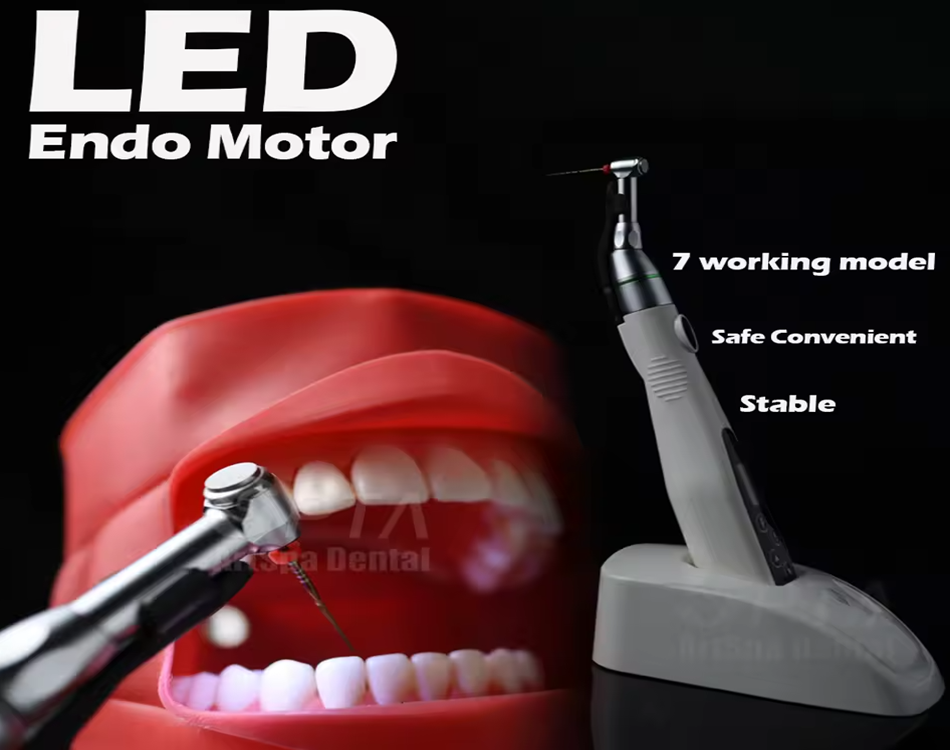
The introduction of endo motors has brought about a significant evolution in the field of endodontics. By enhancing efficiency, improving precision, and increasing patient comfort, these devices are transforming the way root canal treatments are performed. As dental technology continues to progress, the role of endo motors will likely expand, further revolutionizing how dentists approach this vital procedure. Embracing these innovations not only benefits dental professionals but also leads to better outcomes and experiences for patients undergoing root canal therapy.
 In What Ways Can the Multi-functional Mobile Dental Surgical System Enhance the Efficiency of Dental Surgeries?
 How Does the New Type Touch Screen Electric Micromotor Compare to Traditional Micromotors in Terms of Efficiency and Usability?
 In What Ways Does the Touch Screen Interface Enhance User Experience with the New Type Electric Micromotor?
 What Are the Key Features of the Multi-functional Mobile Dental Surgical System That Make It Stand Out from Traditional Dental Equipment?


