
A bright, white smile is often associated with health and vitality, making dental whitening one of the most sought-after cosmetic dental procedures. However, with a multitude of whitening kits available on the market, selecting the right one can be daunting, particularly for individuals with specific needs and sensitivities. This guide will help you navigate the options and choose a dental whitening kit that effectively meets your requirements while addressing any sensitivity concerns you may have.

1. Understand Your Whitening Goals
Assess Your Current Tooth Color
Before selecting a whitening kit, evaluate the current shade of your teeth. If you have minor stains or yellowing, a milder whitening kit may suffice. For more significant discoloration, stronger formulations may be needed.
Define Your Desired Shade
Determine your goal for whitening. Are you looking for a subtle enhancement or dramatic change? This will help guide your choice of whitening product, as some kits offer different levels of whitening intensity.
2. Consider the Type of Whitening Kit
Over-the-Counter Kits
These kits are readily available at pharmacies and grocery stores and often include:
Whitening Strips:Convenient and easy to use, but the results may vary based on application.
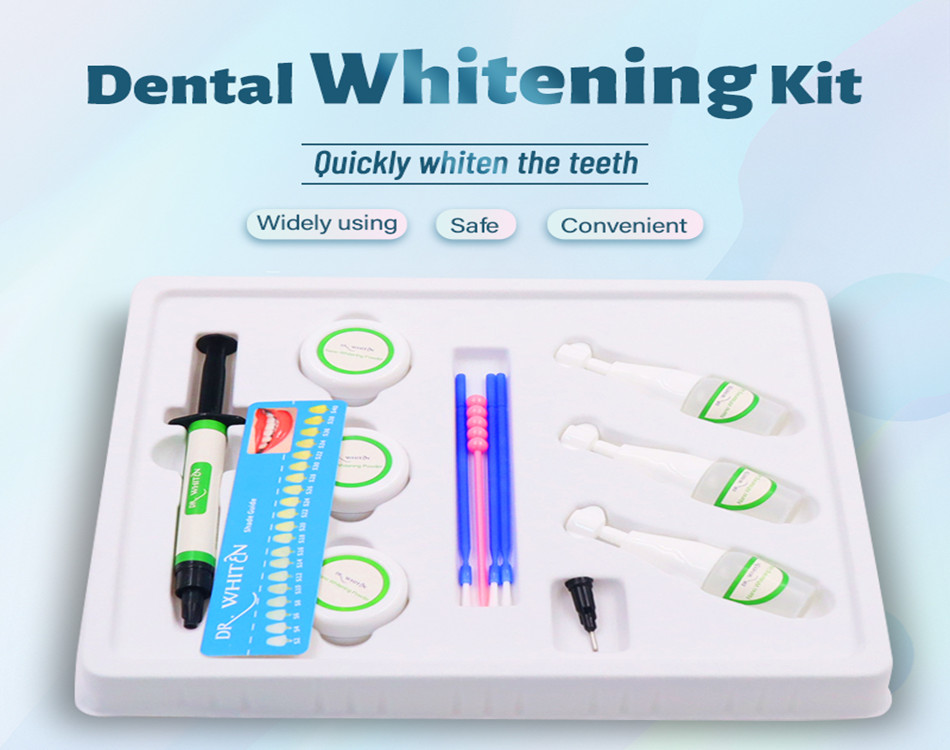
Whitening Gels and Trays:Typically provide more extensive coverage and can be more effective for significant whitening but may require more time for application.
Professional-Grade Kits
These are usually dispensed through dental practices and may include stronger formulations of whitening agents. They often come with custom trays for better fit and efficacy.
Pros:Higher concentrations of active ingredients, tailored to your needs by a dental professional, and they can lead to more noticeable results.
Cons:They are generally more expensive and may require a dental visit.
Choose Based on Convenience
Determine whether you prefer a kit that can be used at home, while commuting, or during a specific period. Convenience can influence your compliance with the whitening schedule, impacting effectiveness.
Assess Your Histories
If you have a history of tooth sensitivity or gum issues, it’s essential to choose a product that addresses these concerns.
Look for Sensitivity-Friendly Formulations
Many brands offer whitening kits specifically formulated for sensitive teeth. These kits often contain:
Lower concentrations of active ingredients (e.g., hydrogen peroxide or carbamide peroxide) to minimize irritation.
Desensitizing ingredients, such as potassium nitrate or sodium fluoride, which can help alleviate discomfort.
Professional Consultation
If you are unsure about your sensitivity levels or which product to choose, consult your dentist. They may recommend specific kits based on your dental health and sensitivity history.
Common Whitening Agents
Whitening kits commonly contain:
Hydrogen Peroxide:A powerful bleaching agent that offers dramatic results but can cause sensitivity.
Carbamide Peroxide:An alternative that breaks down into hydrogen peroxide, providing a gentler whitening effect that may be better tolerated by sensitive teeth.
Concentration Matters
Pay attention to the concentration of active ingredients. Higher concentrations lead to faster results but may also increase the risk of sensitivity. Kits with milder concentrations may take longer to achieve desired results but can be a safer choice for sensitive individuals.
5. Check for Additional Features
Custom Molded Trays
If your kit includes custom-molded trays, this can enhance the effectiveness of the whitening gel by ensuring even application and reducing the risk of irritation to gums.
Whitening Duration and Frequency
Review the recommended duration for using the kit and how often it should be applied. Some kits may require daily use for a week, while others may allow for longer intervals between applications. Ensure you choose a product that fits your schedule and lifestyle.
Understand the Whitening Process
Whitening results can vary based on the original color of your teeth, the nature of the stains, and your age. Set realistic expectations regarding the outcome and the duration of treatment.
Patience is Key
Remember that achieving the desired whitening effect may take time. Be patient and follow the instructions provided for the best results.
7. Read Reviews and Seek Recommendations
Consumer Feedback
Before making a purchase, read reviews from other users to gauge the effectiveness and potential side effects of specific products.
Professional Recommendations
Consider asking your dentist for recommendations based on their experiences with different whitening kits, especially if you have unique dental needs or sensitivities.
Choosing the right dental whitening kit requires careful consideration of your specific needs, sensitivity levels, and personal preferences. By understanding your goals, evaluating the options, and consulting professionals, you can confidently select a whitening product that offers safe and effective results. Embrace your journey to a brighter smile, and remember that achieving a radiant look should always be balanced with maintaining your dental health.
 In What Ways Can the Multi-functional Mobile Dental Surgical System Enhance the Efficiency of Dental Surgeries?
 How Does the New Type Touch Screen Electric Micromotor Compare to Traditional Micromotors in Terms of Efficiency and Usability?
 In What Ways Does the Touch Screen Interface Enhance User Experience with the New Type Electric Micromotor?
 What Are the Key Features of the Multi-functional Mobile Dental Surgical System That Make It Stand Out from Traditional Dental Equipment?


