
In the fast-paced world of dentistry, having the right tools is critical for providing optimal patient care. One essential tool that often goes unnoticed is dentist glasses. Customizing these glasses for specific dental procedures can significantly enhance comfort, visibility, and precision. Here’s how you can effectively tailor your dentist glasses to meet the unique demands of various dental practices.
1. Choose Appropriate Lens Types
Single Vision Lenses
For routines involving a specific focal distance, such as general examinations or restorative work, single vision lenses may suffice. They provide clear vision at a designated distance and can help reduce eye strain.
Bifocal or Progressive Lenses
For procedures that require frequent switching of focus—such as those involving both close-up tasks (like extractions) and visual assessments farther away (like discussions with the patient)—bifocal or progressive lenses offer seamless transition between different focal lengths, helping maintain clarity without the need to constantly adjust.
2. Incorporate Magnification Features
Magnifying Loupes
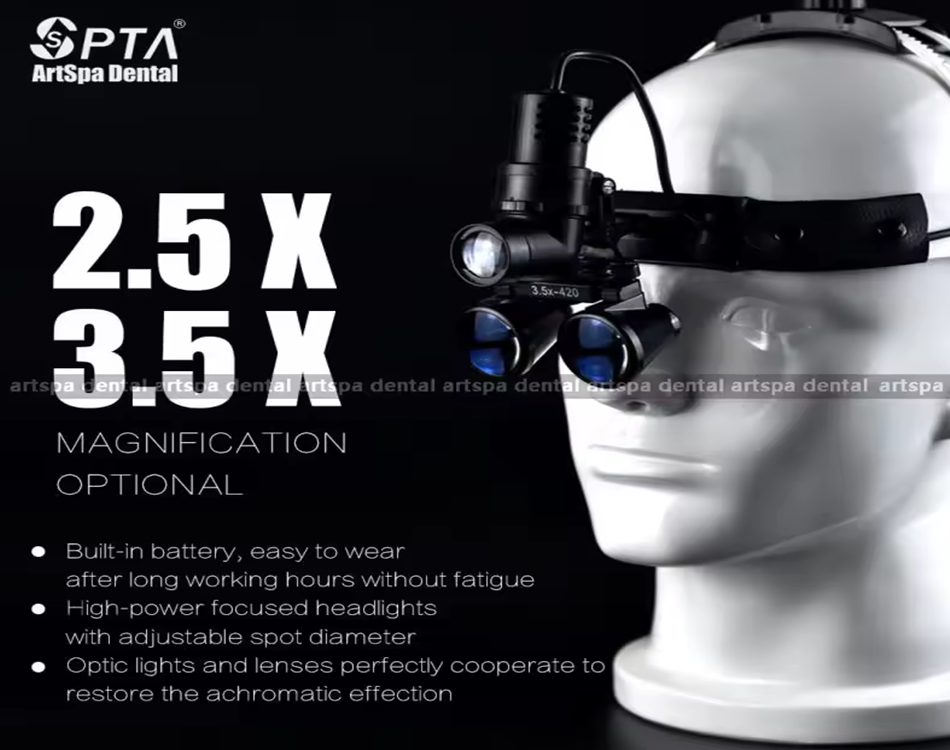
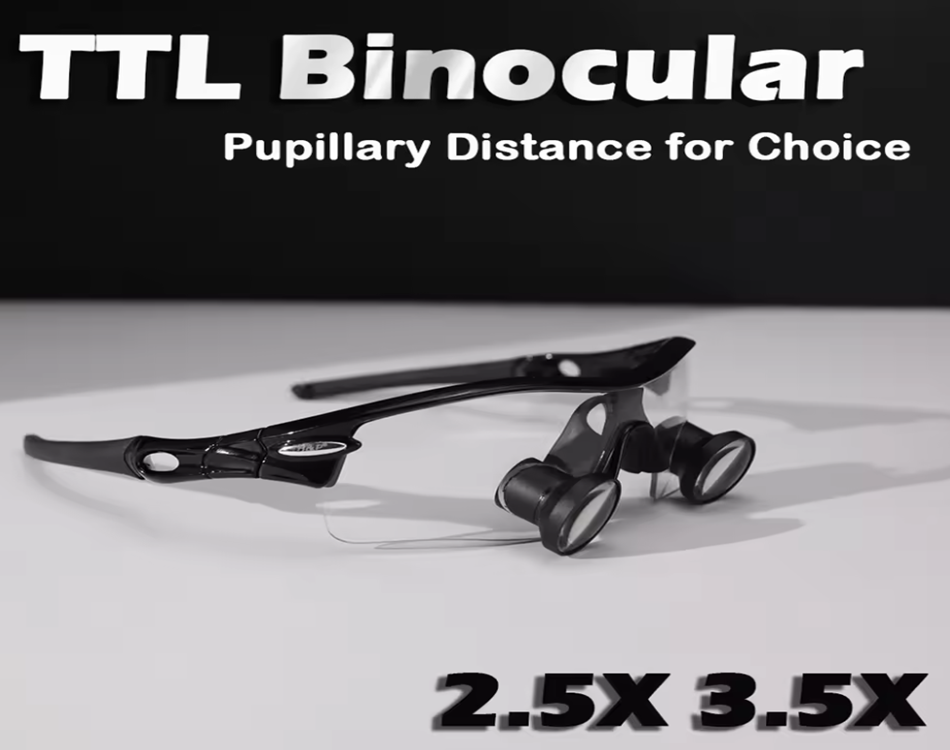
To enhance precision during intricate procedures like endodontics or detailed restorative work, incorporating loupes into your dentist glasses can be invaluable.
Different Magnification Levels:Choose loupes with varying magnification levels depending on the procedure. For instance, higher magnification (e.g., 3.5x to 6.0x) can be beneficial for root canal treatments where precision is essential, while lower levels may suffice for general examinations.
Adjustable Angles
Loupes that allow for angle adjustments can help practitioners adapt their line of sight according to individual comfort and procedural requirements, ensuring optimal visibility.
Anti-Reflective Coating
Adding an anti-reflective coating to your lenses can greatly reduce glare from bright dental lights, which is especially useful during procedures where visual clarity is paramount.
Blue Light Blocking Coating
Given the extended use of digital devices (like patient monitors and imaging systems) in modern dentistry, blue light blocking lenses can help reduce eye strain associated with prolonged exposure. This type of coating helps enhance visual comfort during digital diagnostics or consultation sessions.
4. Select Frames for Specific Needs
Style and Material
Selecting the appropriate frame style and material can also affect comfort and functionality.
Lightweight Frames:For long procedures, lightweight materials such as titanium or high-quality plastic can reduce the burden on the nose and ears, making glasses more comfortable.
Wraparound Frames:These can provide additional side protection and limit peripheral light interference, which is beneficial during procedures requiring a high degree of focus.
Custom Adjustable Nose Pads
Many frames come with adjustable nose pads, allowing for a tailored fit that can help ensure the glasses remain stable during long hours of work. Customizing the fit helps minimize slipping and discomfort.
5. Incorporate Specialized Features
Ventilation Systems
For dental professionals working in humid environments, choosing frames with built-in ventilation systems can help prevent fogging, which can be a significant distraction during procedures.
Side Shield Protection
For procedures that involve the use of tools or materials that may generate splatter, side shields can provide extra protection and prevent debris from entering the eyes, enhancing safety during treatment.
6. Adjusting for Specific Procedures
Procedure-Specific Customization
Customize your glasses based on the type of procedure you frequently perform.
Endodontics:Incorporate higher magnification and ensure your lenses have anti-reflective coatings to counteract bright dental lights.
Cosmetic Dentistry:Opt for lenses that enhance color perception, which is crucial for shade matching in aesthetic procedures.
Consultation with an Optician
Working with an experienced optician who understands the needs of dental professionals can help ensure that your glasses are tailored effectively for specific jobs. An optician can advise you on the best lenses, coatings, and frame styles that would maximize your vision and comfort.
7. Regular Adjustments and Maintenance
Frequent Fit Adjustments
As you adapt to different procedures or as your working environment changes, be sure to revisit the fit and other specifications of your glasses. Regular adjustments can help maintain comfort and functionality.
Maintenance
Keep your glasses clean and free from scratches to ensure optimal visibility. Using the appropriate cleaning solutions and microfiber cloths will help maintain the integrity of any special coatings.
Customizing your dentist glasses for specific dental procedures is essential for enhancing comfort, visibility, and precision. By considering lens types, magnification options, frame styles, and specialized features, dental professionals can tailor their eyewear to meet the diverse demands of their practice. Investing in customized dentist glasses not only improves the quality of care provided to patients but also enhances the overall experience for dental professionals, leading to better outcomes in every procedure.
 Why Should You Consider Upgrading to a Dental Mobile Cart with Advanced Control Features?
 How Can the Intuitive Control of the Dental Mobile Cart Enhance Your Treatment Efficiency?
 What Are the Key Benefits of Using an HD Intraoral Camera in Mobile Surgery?
 How Can the 20 High-Output LEDs Transform Your Surgical Procedures?


