Content:
What is a Soild Resin?
Dental materials have evolved significantly over the years, leading to improved aesthetics and functionality in dental restorations. Among these materials, solid resin stands out as a durable and versatile option. This article delves into everything you need to know about dental solid resin, covering its definition, usage processes, applications in dentistry, maintenance, and care, and concludes with its benefits.
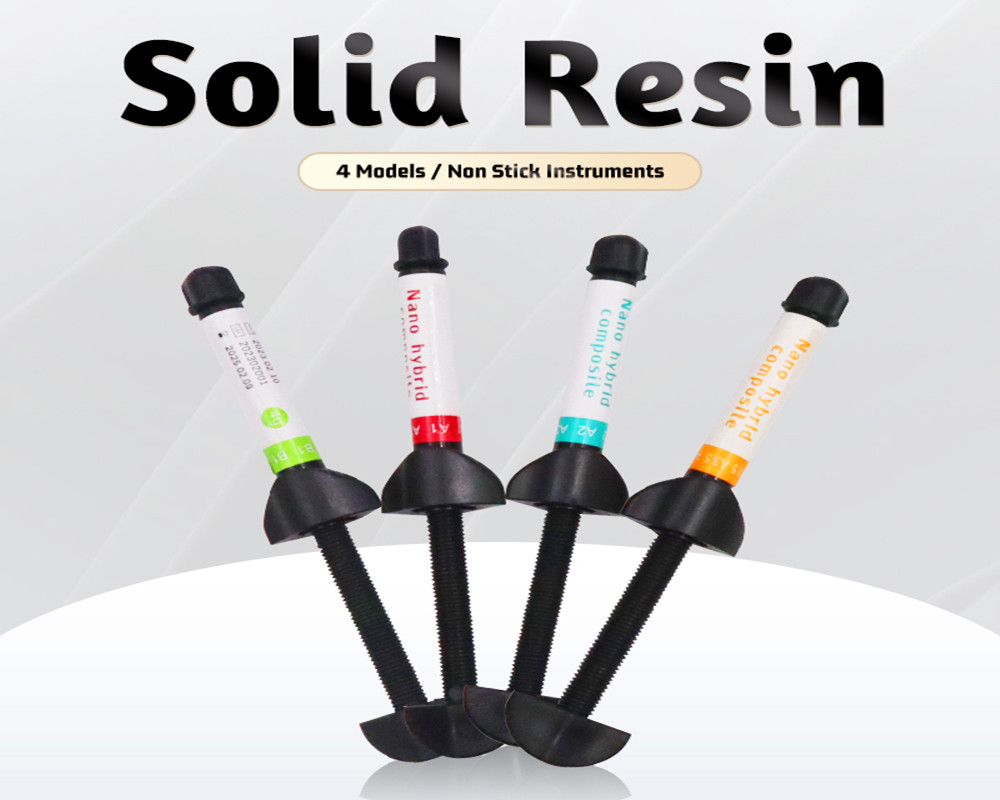
Solid resin, often referred to as composite resin, is a dental material typically composed of a combination of plastic and fine glass particles. It is primarily used in restorative dentistry due to its excellent aesthetic properties, allowing for natural-looking dental restorations. The resin can be customized to match the color of the patient’s natural teeth, making it a popular choice for fillings, crowns, and other dental applications. Solid resin is known for its strength and bonding capability, enabling it to adhere firmly to tooth structures, thereby providing longevity and functional stability in dental restorations.
2. Process of Using Solid Resin
The process of using solid resin in dental treatments involves several key steps:
Diagnosis and Treatment Planning: The dentist evaluates the patient’s dental condition and determines whether solid resin is the appropriate material for the treatment.
Tooth Preparation: The affected tooth is cleaned, and any decay or damaged part is removed. The surface of the tooth is then etched to enhance bonding.
Application of Bonding Agent:A bonding agent is applied to the prepared tooth surface to ensure a strong adhesion between the tooth and the solid resin.
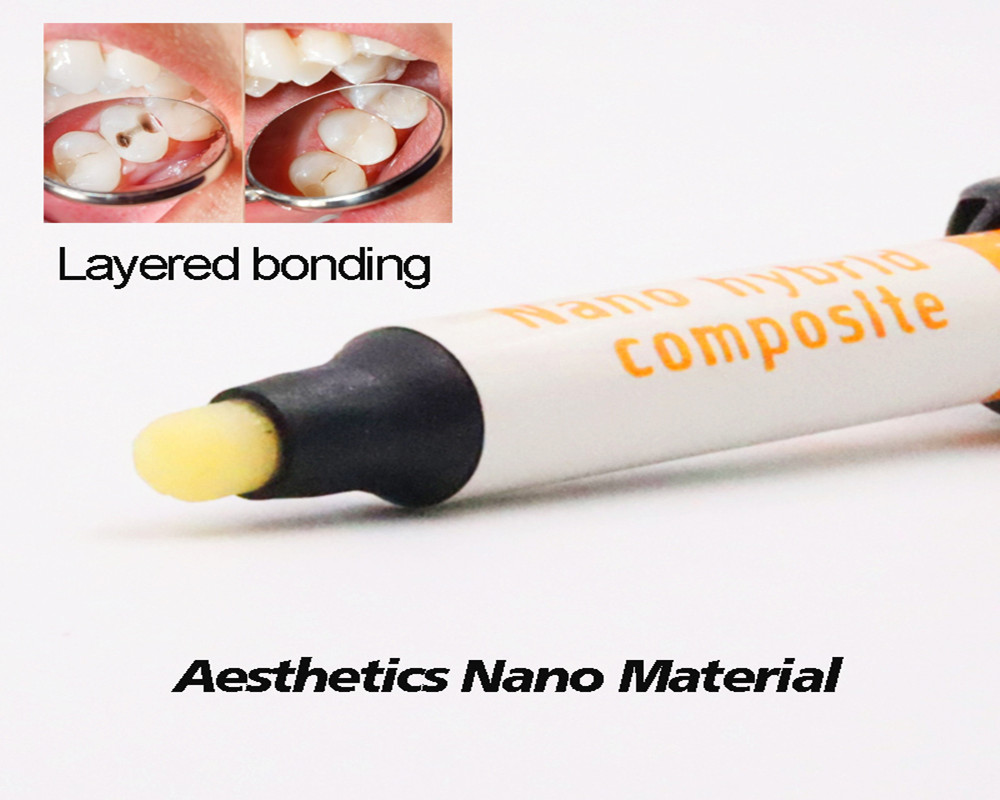
Placement of Solid Resin: The solid resin is carefully placed in layers onto the prepared tooth. Each layer is cured using a specialized light that hardens the material.
Shaping and Polishing: Once the resin is fully cured, the dentist shapes and polishes the restoration to achieve a natural appearance and ensure comfort and functionality for the patient.
Final Checks: The dentist conducts a thorough examination to ensure proper alignment and occlusion, making adjustments as necessary.
Solid resin has a wide array of applications in dentistry due to its versatility and aesthetic appeal. Some common uses include:
Dental Fillings:Solid resin is often used to fill cavities caused by decay or damage, providing a discreet solution that blends seamlessly with surrounding teeth.
Veneers: Used to improve the appearance of front teeth, veneers made from solid resin can correct issues such as discoloration, gaps, and minor misalignments.
Crowns and Bridges: Solid resin can be utilized to create crowns for damaged teeth or bridges to replace missing teeth while maintaining a natural look.
Orthodontics: Solid resin materials are also used in some orthodontic applications, such as bonding brackets to teeth and fabricating clear aligners.
Caring for dental restorations made with solid resin is crucial for maintaining their longevity and appearance. Here are some tips for proper maintenance:
Regular Dental Check-ups: Schedule routine appointments with your dentist to monitor the condition of your solid resin restorations and overall dental health.
Good Oral Hygiene: Brush and floss regularly, focusing on areas around the resin restorations to prevent plaque buildup and decay.
Avoid Hard Foods: While solid resin is durable, biting into extremely hard foods can cause chipping or damage. Be mindful of your diet to protect your restorations.
Limit Staining Agents: Some food and beverages, like coffee or red wine, can stain solid resin over time. If concerned about discoloration, try to limit intake or rinse your mouth after consumption.
Dental solid resin has revolutionized restorative dentistry, offering a functional and aesthetically pleasing option for various dental treatments. Its ability to bond well with tooth structures, combined with its versatility in applications, makes it a favored choice among dental professionals and patients alike. By understanding the process of solid resin application, its uses, and how to maintain it, patients can ensure the longevity and efficacy of their dental restorations. As dental technology continues to advance, solid resin will likely remain a cornerstone of modern dentistry, providing patients with smile confidence and health.
 In What Ways Can the Multi-functional Mobile Dental Surgical System Enhance the Efficiency of Dental Surgeries?
 How Does the New Type Touch Screen Electric Micromotor Compare to Traditional Micromotors in Terms of Efficiency and Usability?
 In What Ways Does the Touch Screen Interface Enhance User Experience with the New Type Electric Micromotor?
 What Are the Key Features of the Multi-functional Mobile Dental Surgical System That Make It Stand Out from Traditional Dental Equipment?


