
What is a Dental Teeth Whitening Instrument?
Process of Using Dental Teeth Whitening Instrument
Teeth whitening has become a common cosmetic dental procedure, helping individuals achieve brighter smiles and enhanced confidence. Among the various methods available, dental teeth whitening instruments have emerged as an effective and popular choice. In this article, we will explore what a dental teeth whitening instrument is, the process of using it, its applications in dentistry, maintenance and care, and conclude with the importance of this innovative tool in achieving a radiant smile.
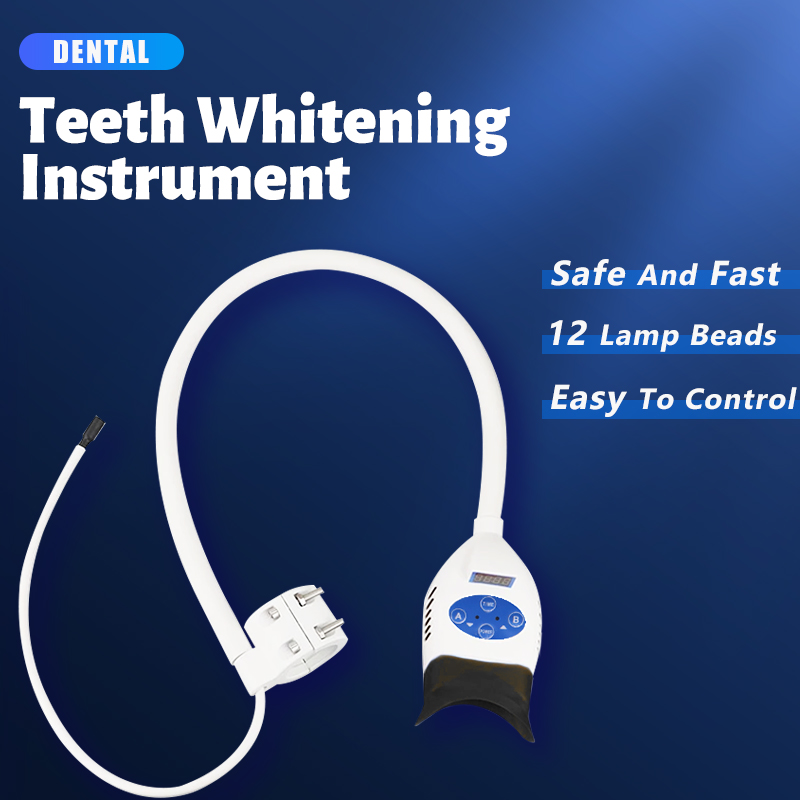
1. What is a Dental Teeth Whitening Instrument?
A dental teeth whitening instrument is a specialized device designed to facilitate the bleaching of teeth in a safe and controlled manner. Typically used in dental clinics, these instruments employ specific technology to apply whitening agents to the teeth. Common types of whitening instruments include LED lights, laser devices, and custom-made trays that enhance the effectiveness of whitening gels. The goal of these instruments is to remove stains and discoloration, resulting in a brighter, more aesthetically pleasing smile.
2. Process of Using Dental Teeth Whitening Instrument
The process of using a dental teeth whitening instrument usually begins with a consultation at a dental clinic. During this visit, the dentist assesses the patient’s dental health, discusses their goals, and determines the most suitable whitening method.
Once a plan is established, the whitening process can commence. For many instruments, the following steps are typically involved:
Preparation:The dentist begins by cleaning the teeth to remove any plaque or debris. This ensures the whitening agent can effectively penetrate the enamel.
Application of Protective Barriers:To protect the gums, a special gel or barrier is applied around the gum line. This minimizes sensitivity and enhances comfort during the whitening process.
Whitening Agent Application:The dentist applies a whitening gel that often contains hydrogen peroxide or carbamide peroxide.
Activation:Many dental teeth whitening instruments incorporate LED or laser light to activate the whitening agent. This light enhances the whitening process, often allowing for faster and more effective results.
Monitoring and Rinsing:Throughout the process, the dentist monitors the patient’s comfort and the effectiveness of the treatment. After the designated time, the gel is rinsed off, and the results are assessed.
Post-Treatment Care:The dentist may provide recommendations for maintaining the results, which can include avoiding certain foods and beverages that cause staining.
Dental teeth whitening instruments are widely used in cosmetic dentistry but have applications beyond just enhancing aesthetics. Their primary purposes include:
Stain Removal:Ideal for eliminating extrinsic stains caused by coffee, tea, tobacco, and aging.
Enhancing Confidence:Many patients seek teeth whitening to improve their overall appearance and boost their self-esteem.
Complementing Other Procedures:A brighter smile can enhance the results of other dental procedures, such as bonding or veneers, leading to a more harmonious smile.
Professional Use:Dentists use these instruments in clinical settings to provide safe and effective whitening solutions tailored to individual needs.

Maintaining the results of teeth whitening is essential for prolonging the effects of the treatment. Here are a few tips on how to care for your teeth post-whitening:
Avoid Staining Foods and Beverages:For at least 24-48 hours after treatment, it’s best to steer clear of coffee, red wine, and foods with strong pigments that can stain your teeth.
Practice Good Oral Hygiene:Regular brushing, flossing, and dental check-ups can help maintain a brighter smile.
Use Whitening Toothpaste:Incorporating a toothpaste designed for whitening can help sustain the brightness of your smile over time.
Follow Dentist Recommendations:Adhering to any specific post-treatment guidelines provided by your dentist can significantly contribute to the longevity of the whitening effects.
In the world of cosmetic dentistry, dental teeth whitening instruments play a pivotal role in enhancing smiles and boosting confidence. They offer an effective, safe, and efficient way to achieve a more radiant appearance. By understanding the process, applications, and care involved, patients can make informed choices about their dental aesthetics. Whether for a special occasion or an everyday confidence boost, teeth whitening instruments have revolutionized how we perceive and attain beautiful smiles. With the right care and maintenance, a bright, white smile can be a lasting asset.
 In What Ways Can the Multi-functional Mobile Dental Surgical System Enhance the Efficiency of Dental Surgeries?
 How Does the New Type Touch Screen Electric Micromotor Compare to Traditional Micromotors in Terms of Efficiency and Usability?
 In What Ways Does the Touch Screen Interface Enhance User Experience with the New Type Electric Micromotor?
 What Are the Key Features of the Multi-functional Mobile Dental Surgical System That Make It Stand Out from Traditional Dental Equipment?


