
Common Issues with High Speed Handpieces
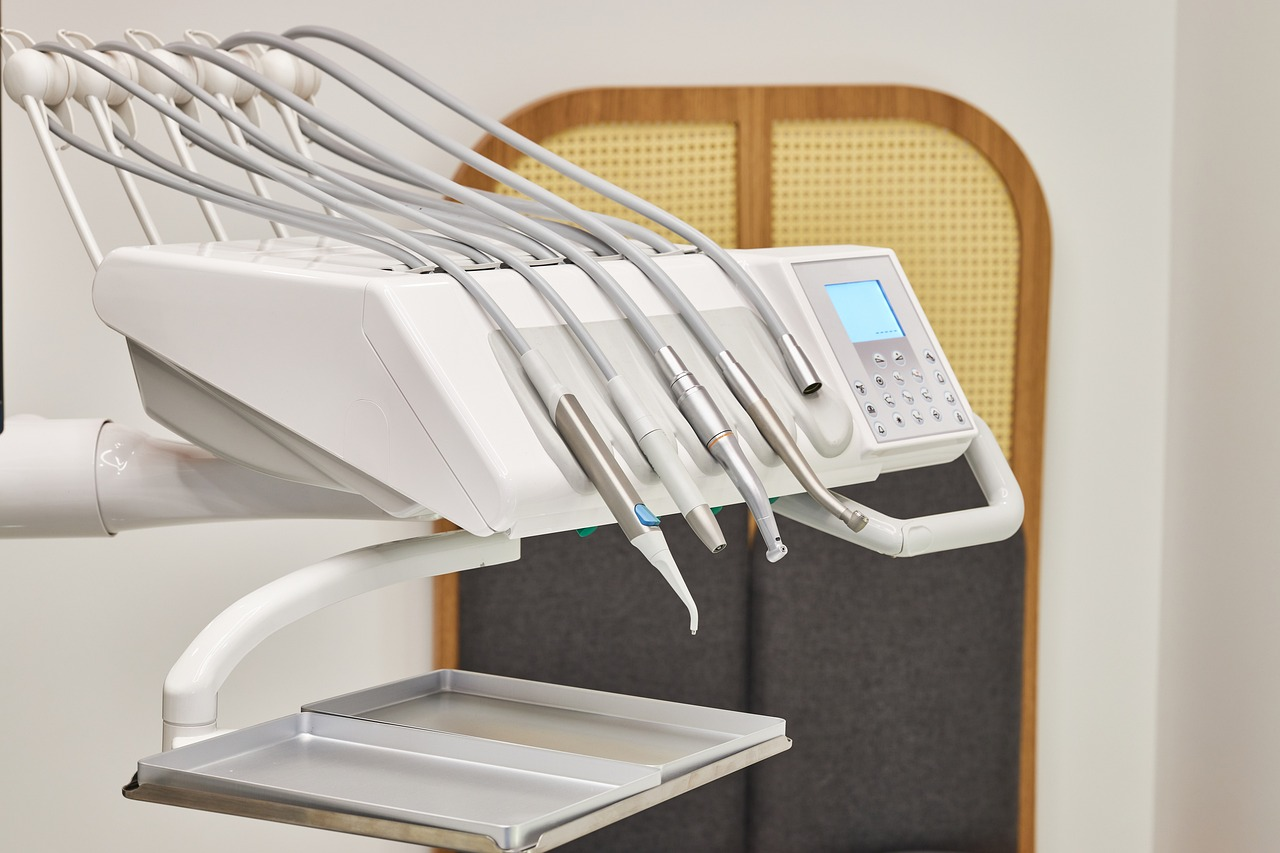
Dental high-speed handpieces are essential tools in modern dentistry, known for their efficiency and effectiveness in various procedures. However, like any piece of equipment, they can experience issues over time. Understanding these common problems and their solutions can help dental professionals maintain their handpieces and ensure they continue to perform at optimal levels.

1. Common Issues with High Speed Handpieces
High-speed handpieces are intricate devices that can present a range of issues. Here are some of the most common problems faced by dental practitioners:
a. Loss of Speed or Power
One of the most noticeable issues is a decrease in the handpiece's rotational speed or power. This could lead to longer procedure times and less effective cutting or drilling.
b. Noise and Vibration
Excessive noise or vibration during operation is often a sign of internal wear or damage. This not only affects performance but can also be uncomfortable for both the practitioner and the patient.
c. Overheating
Overheating can compromise the performance of the handpiece and may even lead to damage. This issue often arises from insufficient lubrication or malfunctioning bearings.
d. Inconsistent Water Spray
A malfunction in the water spray can lead to inadequate cooling or insufficient cleaning of the treatment area. This can hinder visibility and affect the overall procedure.
e. Clogs and Blockages
Debris buildup within the handpiece can cause clogs, impacting both airflow and water spray. This is particularly common if the handpiece isn't cleaned properly after each use.
2. Solutions to Common Problems
Addressing the issues related to high-speed handpieces requires careful attention to maintenance and repair. Here are some effective solutions to common problems:
a. Restoring Speed or Power
If your handpiece is running slow, first check the air supply pressure to ensure it meets the manufacturer’s specifications. Clean the rotor, and if the problem persists, consider replacing worn bearings or seals.
b. Reducing Noise and Vibration
Inspect the handpiece for any loose components or damaged parts. Tighten any loose screws and replace worn or damaged parts as necessary. Regular maintenance, including lubrication of internal parts, can also help minimize noise and vibration.
c. Preventing Overheating
To reduce the risk of overheating, implement a regular lubrication schedule following the manufacturer’s guidelines. Cleaning the handpiece after each use is crucial to prevent debris buildup that can lead to overheating. Ensure that the air and water supply are functioning correctly to promote cooling during procedures.
d. Fixing Inconsistent Water Spray
If the water spray is inconsistent, the most common solution is cleaning the spray nozzle and internal water pathways. If cleaning does not resolve the issue, inspect the O-rings and seals for damage and replace them as necessary.
e. Clearing Clogs and Blockages
To address clogs, disassemble the handpiece (if you are trained to do so) and clean each component thoroughly. Ensure that all passages are free of debris. Running a cleaning solution through the handpiece on a regular basis can also prevent clogs.
Regular maintenance and prompt attention to common issues can significantly extend the life of dental high-speed handpieces and maintain their performance. By being proactive and addressing these problems early, dental professionals can reduce downtime and improve their productivity in the clinic. Implementing a structured maintenance routine, including cleaning, lubrication, and inspections, will ensure that handpieces remain reliable tools for quality dental care.
 In What Ways Can the Multi-functional Mobile Dental Surgical System Enhance the Efficiency of Dental Surgeries?
 How Does the New Type Touch Screen Electric Micromotor Compare to Traditional Micromotors in Terms of Efficiency and Usability?
 In What Ways Does the Touch Screen Interface Enhance User Experience with the New Type Electric Micromotor?
 What Are the Key Features of the Multi-functional Mobile Dental Surgical System That Make It Stand Out from Traditional Dental Equipment?


