In the ever-evolving field of dentistry, the importance of precision and efficiency cannot be overstated, especially during orthodontic treatments. With advancements in dental technology, practitioners now have access to innovative tools that streamline processes while ensuring patient safety and comfort. One such tool is the Dental 4:1 Reciprocating Interproximal Strip, designed for use with contra-angle handpieces. This product enhances enamel gauge measurement and interproximal reduction, making it an essential asset for modern orthodontic procedures.
1. 4:1 Gear Ratio for Optimal Performance
The unique 4:1 reciprocating design of this strip offers a significant advantage in terms of speed and torque. This ensures that dental practitioners can perform tasks efficiently without compromising on control or effectiveness. The increased torque is particularly useful during interproximal reductions, allowing for smoother and more precise adjustments.
2. Interproximal Stripping Made Easy
Interproximal stripping is crucial for managing crowded teeth and creating space for orthodontic treatment. With the Dental 4:1 Reciprocating Interproximal Strip, dentals can easily remove excess enamel between teeth, ensuring optimal alignment. This tool allows for minimal invasiveness, reducing the risk of damage to surrounding tissues.
3. Biocompatible Materials
Constructed from high-quality, biocompatible materials, this interproximal strip is safe for use on enamel. This means patients can undergo treatment with peace of mind, knowing that the materials used will not provoke any adverse reactions. This feature is critical for maintaining patient trust and comfort during orthodontic procedures.
4. Versatile Applications
The Dental 4:1 Interproximal Strip is designed for use across various procedures, including:
Orthodontic Treatments: Ideal for creating space for braces or clear aligners.
Esthetic Dentistry: Helps in minor reshaping of enamel for aesthetic corrections.
Restorative Procedures: Assists in achieving proper tooth alignment before restorative work.
Benefits of Using the Dental 4:1 Reciprocating Interproximal Strip
1. Enhanced Clinical Efficiency
By integrating the 4:1 reciprocating feature, dental professionals can perform procedures more quickly. The speed and precision of this tool contribute to reduced chair time for patients, allowing practices to accommodate more appointments in a day.
2. Improved Patient Experience
Minimizing the invasiveness of orthodontic treatment translates to a better experience for patients. The gentle action of the reciprocating strip reduces discomfort and anxiety, making patients more likely to seek treatment and remain compliant with their orthodontic plans.
3. Greater Accuracy in Measurement
Enamel gauge measurements are crucial in achieving ideal outcomes. The precise design of the Dental Interproximal Strip ensures accurate stripping without damaging adjacent teeth. This accuracy is paramount in creating a successful treatment plan tailored to each patient’s unique dental structure.
4. Cost-Effective Solution
Investing in the Dental 4:1 Reciprocating Interproximal Strip can lead to long-term savings. Its durability and efficiency reduce the need for additional tools and repeated procedures, ultimately benefiting both dental practices and patients.
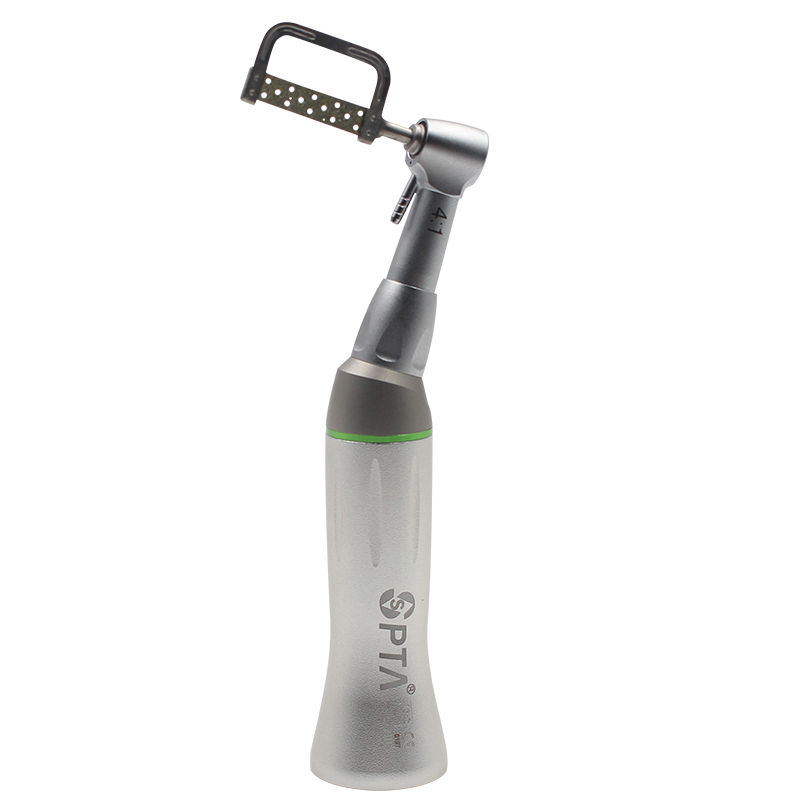
How to Use the Dental 4:1 Interproximal Strip
Step 1: Preparation
Before starting the procedure, ensure that the dental handpiece is compatible with the 4:1 reciprocating interproximal strip. Sterilize all equipment and prepare the workspace to maintain a hygienic environment.
Step 2: Patient Consultation
Discuss the treatment plan with the patient. Explain the use of the interproximal strip and answer any questions to ensure they feel informed and at ease.
Step 3: Application
Attach the interproximal strip securely to the contra-angle handpiece.
Position the strip between the targeted teeth.
Activate the handpiece, allowing the reciprocating motion to gently strip the enamel between the teeth.
Step 4: Measurement
Utilize the enamel gauge feature to monitor the amount of enamel being removed. Ensure that the reduction is consistent with the treatment plan.
Step 5: Post-Procedure Care
After completing the interproximal stripping, provide post-treatment instructions to the patient. Monitor for any discomfort and schedule follow-up appointments as necessary.
Best Practices for Maintenance
1. Regular Cleaning
Maintain the integrity of the Dental 4:1 Reciprocating Interproximal Strip by cleaning it thoroughly after each use. Follow the manufacturer’s guidelines for cleaning and sterilization to prolong the lifespan of the product.
2. Storage
Store the strips in a cool, dry place away from direct sunlight. Proper storage prevents damage and ensures they remain in optimal condition for future use.
3. Equipment Checks
Periodically check the contra-angle handpiece for any wear and tear. Regular maintenance of dental equipment enhances performance and safety during procedures.
Trends in Orthodontic Treatment
As dental technology advances, the field of orthodontics is continually evolving. Key trends influencing the industry include:
1. Increased Demand for Clear Aligners
Patients are increasingly seeking clear aligner systems for their orthodontic needs due to their aesthetic appeal. As a result, tools like the Dental 4:1 Reciprocating Interproximal Strip become vital in establishing adequate space for aligners to function effectively.
2. Focus on Minimal Invasiveness
There is a growing trend towards minimally invasive procedures. The interproximal stripping technique aligns perfectly with this trend, offering effective space creation with minimal enamel removal.
3. Technological Integration
The integration of digital technology in orthodontics is on the rise. Tools that complement digital workflows, such as the Dental 4:1 Interproximal Strip, will become indispensable as practices embrace digital impressions and treatment planning.
Conclusion
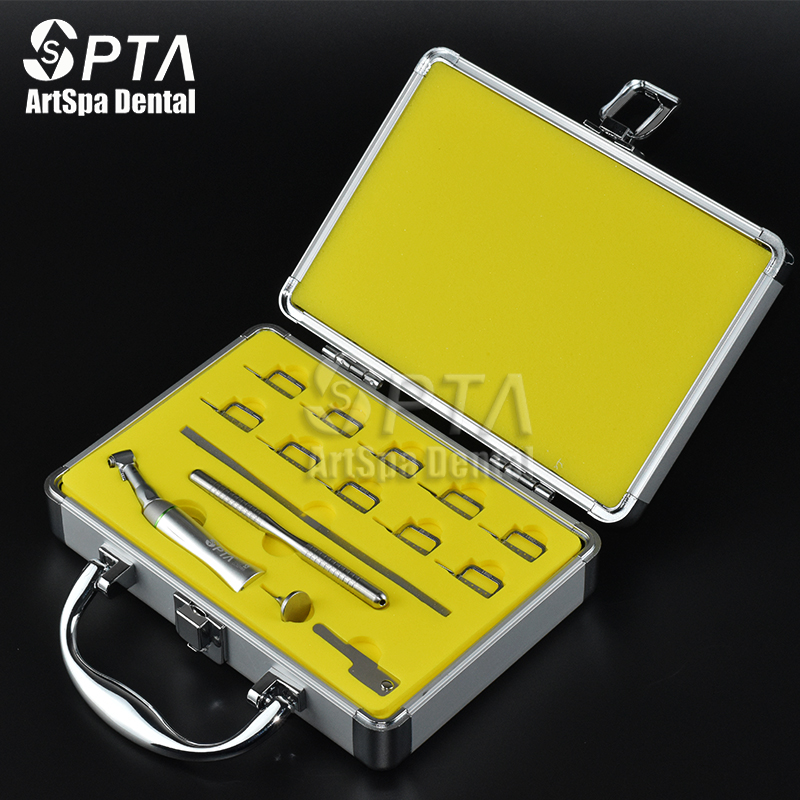
The Dental 4:1 Reciprocating Interproximal Strip is a game-changing tool in orthodontic treatment. Its unique design, efficient performance, and patient-friendly features make it an essential addition to any dental practice. As the industry continues to innovate, practitioners equipped with advanced tools like this will deliver exceptional patient care and achieve superior treatment outcomes. Investing in such technology not only enhances operational efficiency but also elevates patient satisfaction, paving the way for successful practice growth in the competitive dental landscape.


 In What Ways Can the Multi-functional Mobile Dental Surgical System Enhance the Efficiency of Dental Surgeries?
 How Does the New Type Touch Screen Electric Micromotor Compare to Traditional Micromotors in Terms of Efficiency and Usability?
 In What Ways Does the Touch Screen Interface Enhance User Experience with the New Type Electric Micromotor?
 What Are the Key Features of the Multi-functional Mobile Dental Surgical System That Make It Stand Out from Traditional Dental Equipment?


