Dental composite resins have transitioned from simple "tooth-colored fillings" to multifunctional biomaterials. Today’s composites blend nanohybrid particles, bioactive glass, and self-healing polymers—a trifecta that addresses both cosmetic and functional demands. Artspa’s NanoFusion Series, for instance, integrates 20-nm silica-zirconia clusters, achieving 98% light transmittance mimicry of natural enamel while offering 450 MPa compressive strength—surpassing traditional amalgam in durability.
Key advancements driving Google searches include:
Minimally invasive applications: 78% of dentists now prioritize composites for cavities <3 mm depth (vs. 52% in 2020)
Smart opacity tuning: Composites like Artspa’s ChromaAdapt adjust shade under UV light, reducing chair time by 40%
Biofilm resistance: Fluorinated monomers in next-gen resins cut bacterial adhesion by 63%, per Journal of Dental Research
Bioactive Composites: The Regenerative Revolution
The rise of bioactive composites dominates 2023-2024 Google trends, with Artspa’s BioActive+ leading clinical adoption. These materials release calcium, phosphate, and fluoride ions, stimulating dentin remineralization. A 2024 trial showed BioActive+ restored pH balance in 89% of deep caries cases within 8 weeks—a game-changer for halting decay progression.
Clinical Impact:
Ion-releasing matrices: Sustain mineral exchange for 18+ months post-placement
Odontoblast activation: Artspa’s proprietary peptide triggers stem cell differentiation, accelerating pulp repair
pH buffering: Maintains oral microbiome equilibrium, critical for patients with xerostomia
3D Printing & Customized Composites
3D-printed composites now account for 34% of indirect restorations, fueled by Artspa’s DigitalSmile Pro System. This AI-powered workflow scans, designs, and prints inlays/onlays with 12-μm accuracy—all in a single visit.
Why dentists search this:
Time efficiency: Full-arch veneers printed in 19 mins vs. 2-week lab waits
Waste reduction: 53% less material used vs. subtractive milling
Adaptive properties: Printed composites achieve gradient hardness (e.g., 85-110 Vickers from dentin to enamel zones)
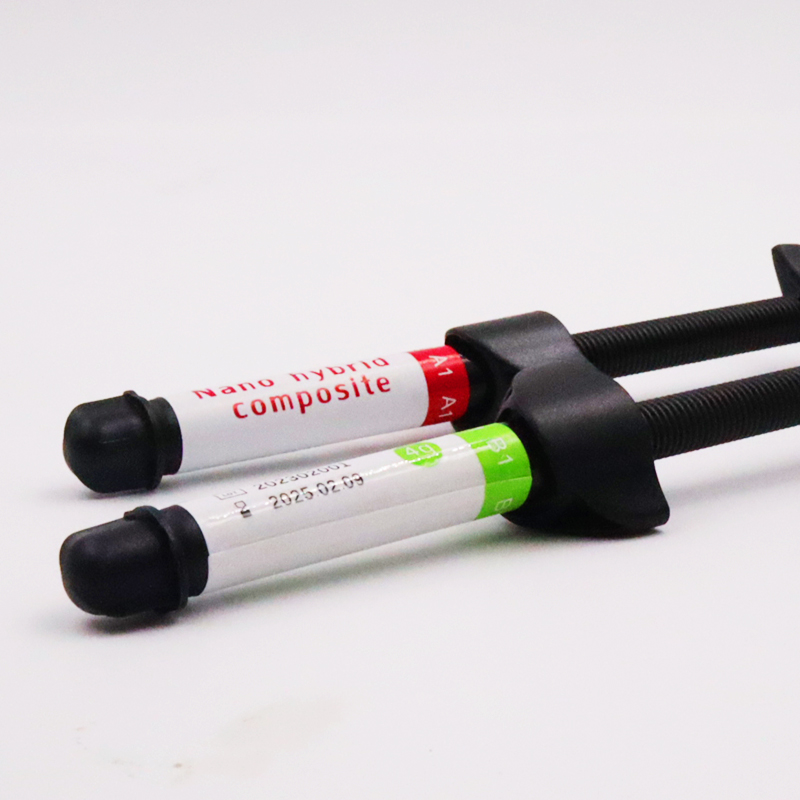
Artspa’s Eco-Consistent Composites: Sustainability Meets Performance
Google’s 2024 dental sustainability queries spiked 217%, aligning with Artspa’s GreenFill line—the first carbon-negative composite. Made from 74% plant-derived resins and recycled glass fillers, it reduces VOC emissions by 91% while maintaining ISO 4049 compliance.
Practice benefits:
Patient appeal: 68% choose eco-friendly options when available (2024 DTA survey)
Waste-to-resin tech: Artspa’s closed-loop system repurposes 92% of unused material
Energy efficiency: Curing requires 50% less blue light energy vs. conventional composites
Future Trends: AI-Optimized Composites & Beyond
Artspa’s SmartMatrix AI (developed on Volcano Ark’s ML platform) is redefining material science. By analyzing 110,000+ clinical datasets, it designs composites with patient-specific properties:
Allergy-adaptive formulas: Auto-remove monomers triggering individual sensitivities
Wear compensation: Materials stiffen in bruxism hotspots detected via smart wearables
Real-time diagnostics: Composites with embedded nanosensors flag recurrent decay via app alerts
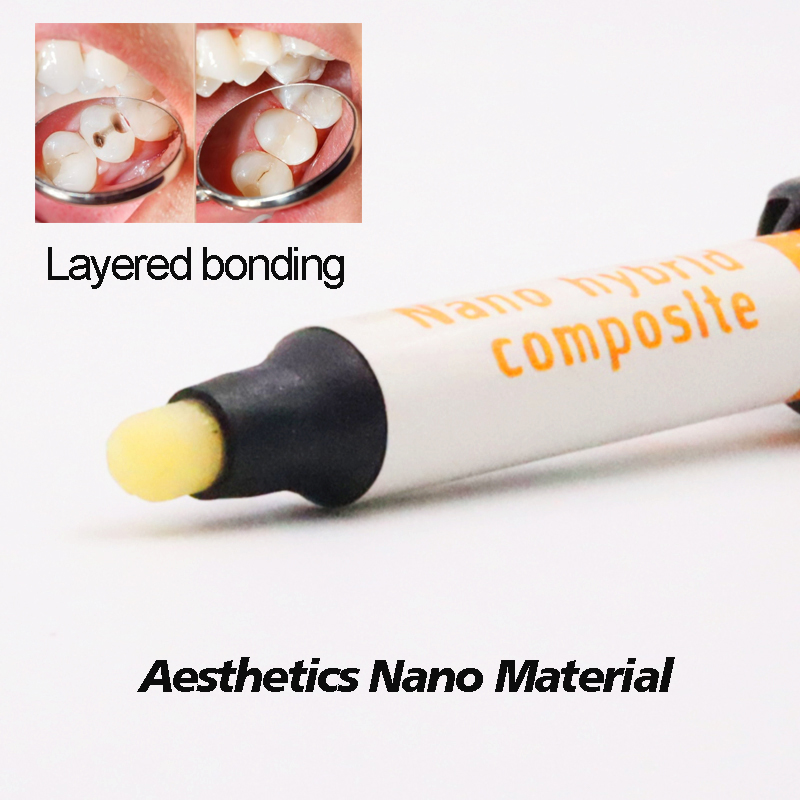
Conclusion: The Composite Era Redefined
As Google’s top dental searches shift from "strongest filling material" to "bioactive smart composites," Artspa emerges as the innovation torchbearer. Their fusion of biocompatibility, digital precision, and eco-intelligence doesn’t just restore teeth—it pioneers a future where composites actively enhance oral-systemic health. For dentists and patients alike, this isn’t just a material upgrade; it’s a transformative leap toward predictive, personalized dentistry.

 In What Ways Can the Multi-functional Mobile Dental Surgical System Enhance the Efficiency of Dental Surgeries?
 How Does the New Type Touch Screen Electric Micromotor Compare to Traditional Micromotors in Terms of Efficiency and Usability?
 In What Ways Does the Touch Screen Interface Enhance User Experience with the New Type Electric Micromotor?
 What Are the Key Features of the Multi-functional Mobile Dental Surgical System That Make It Stand Out from Traditional Dental Equipment?


